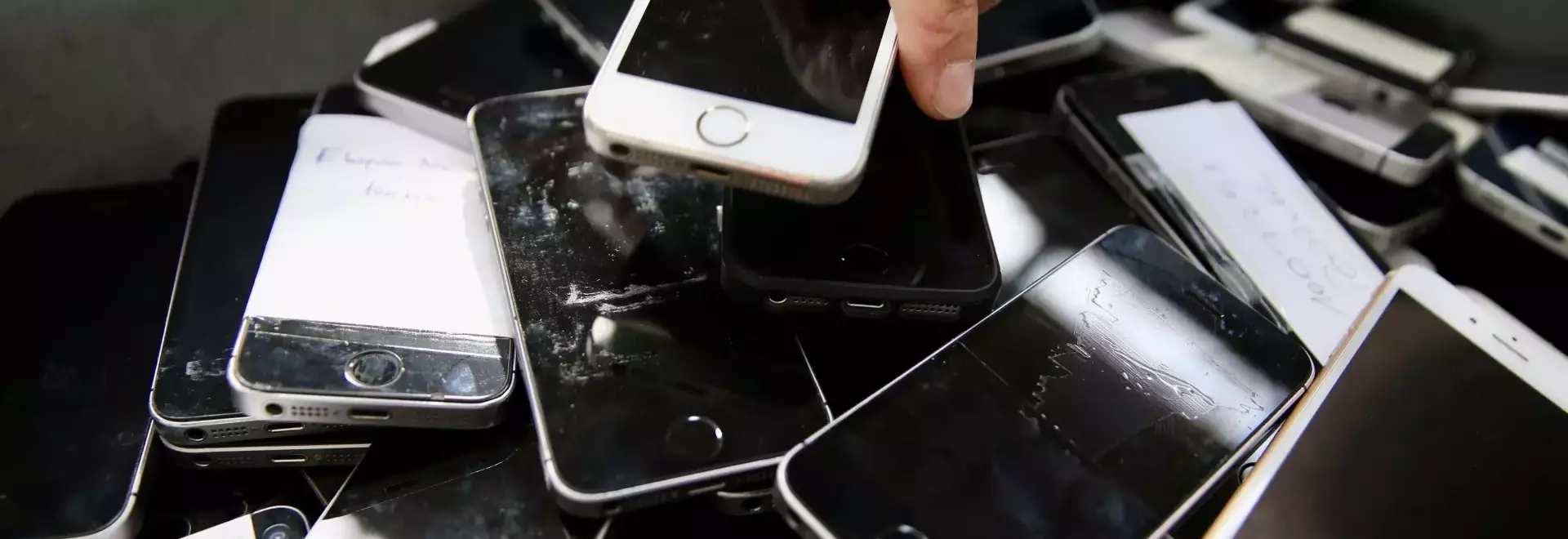
University Researchers Propose Low-Carbon Data Center Utilizing 2,000 Recycled Pixel Smartphones with Google's Backing
In an era grappling with escalating e-waste and the substantial carbon footprint of data centers, an innovative endeavor is underway. Researchers at the University of California, San Diego, have embarked on a groundbreaking project to construct a cloud computing data center using 2,000 Google Pixel smartphones. This initiative aims to address environmental concerns by repurposing existing technology, offering a more sustainable approach to digital infrastructure, and aligning with global efforts to reduce carbon emissions and electronic waste.
Statistics reveal that individuals typically replace their smartphones every four years. While these devices may be deemed "outdated" by consumer trends, many still house powerful processors, memory, and storage chips. When combined, these components offer considerable computing power. The current practice of discarding functional, albeit older, smartphones contributes significantly to e-waste and the carbon emissions associated with manufacturing new replacements. By harnessing these existing chips, the project not only diverts devices from landfills but also potentially reduces the demand for new hardware in specific computational applications.
A key insight from the project is the comparable performance of modern smartphone processor cores to many multi-core server chips in single-threaded operations. However, traditional servers boast numerous multi-threaded cores with extensive memory, whereas older smartphones are limited to a few cores and considerably less RAM, typically 8-12 GB. Furthermore, smartphones contain various components, such as batteries and displays, that are impractical or hazardous for mass server deployment.
To overcome these challenges, the research team's initial step involves extracting only the motherboards and attached chips from the smartphones—the components with the highest embodied carbon. These stripped-down units are then interconnected to form a server cluster. This cluster is specifically designed for university use, handling relatively lightweight applications such as grading and research. The system utilizes Kubernetes for orchestration, managing the containerized applications across the phone cluster. Each device runs a Linux distribution, bypassing Android's default operating system, which is unsuitable for large-scale server operations due to features like aggressive memory management.
Early findings from the project indicate promising results. A modest cluster of 20 phones can efficiently support peak submission rates for classes with over 75 students, delivering grading latencies on par with or better than conventional AWS backends. Scaling this success, a 2,000-phone deployment is projected to manage hundreds of such classes concurrently. Google's support for this project underscores its commitment to fostering low-cost, low-carbon cloud computing solutions. The primary goal is to provide researchers and students with access to robust computing resources while minimizing the need for newly manufactured hardware, thereby significantly reducing associated carbon emissions.
This innovative concept presents a compelling vision for the future of computing. Many homes contain multiple unused smartphones, each representing a potential contribution to a more sustainable technological ecosystem. While repurposing these devices for server clusters might involve additional power consumption, it offers a far more environmentally friendly alternative to discarding them. However, it is also important to acknowledge that while such projects are valuable, they represent a small fraction of the broader environmental impact of the tech industry, particularly when compared to the vast energy demands and resource consumption of large-scale data centers built by companies like Google.