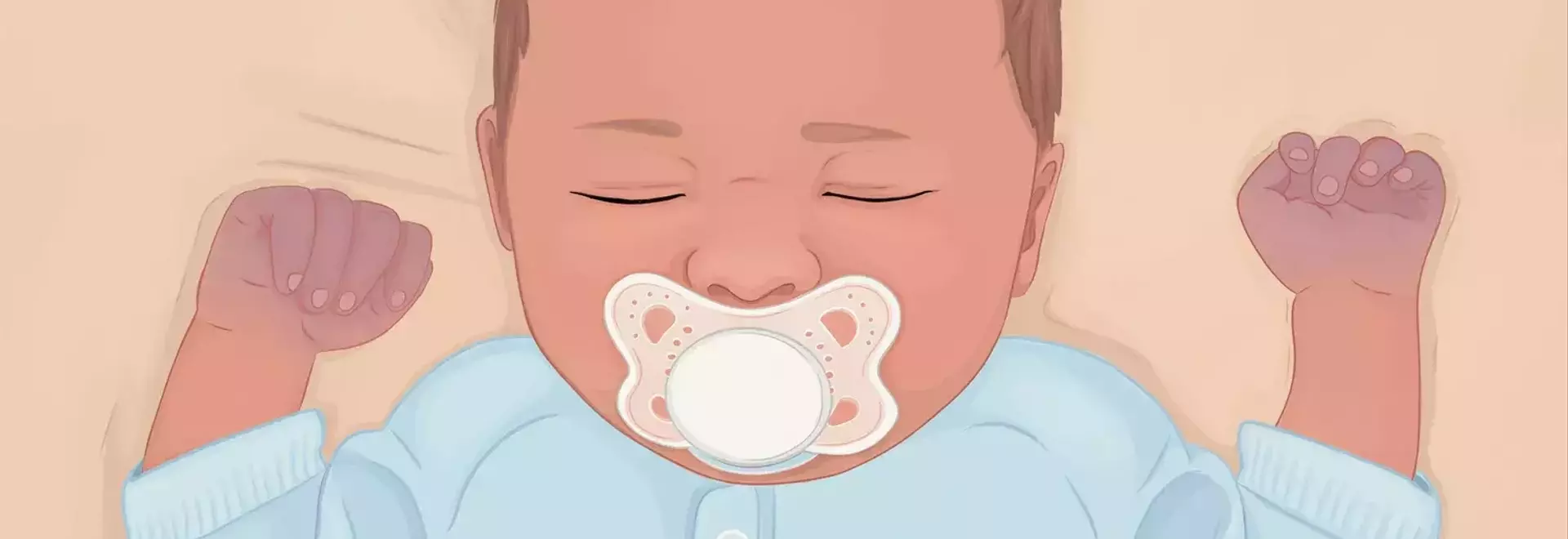
Understanding Purple Hands and Feet in Infants: A Comprehensive Guide
When infants exhibit purple or bluish discoloration in their hands or feet, it's a phenomenon that often raises parental concern. This comprehensive guide aims to demystify these color changes, ranging from common and benign conditions like acrocyanosis to more serious underlying health issues. Understanding the distinctions and knowing when to seek professional medical advice is paramount for ensuring the well-being of newborns.
Detailed Report on Infant Extremity Discoloration
In the tender initial days of a newborn's life, observation of their tiny hands and feet turning a purplish or bluish hue is quite common. This phenomenon is predominantly attributed to a benign condition known as acrocyanosis. Dr. Rashmi Jain, a respected pediatrician and founder of BabiesMD in Irvine, California, highlights that this temporary discoloration typically arises from constricted blood vessels, frequently in response to cooler surroundings. It's a common characteristic as a newborn's circulatory system is still adapting to life outside the womb. Symptoms generally include cool, bluish extremities that may appear slightly swollen, and reassuringly, these signs typically fade as the infant warms up. However, Dr. Jain advises vigilance: if this dusky discoloration persists beyond the first few days, appears near the body's core or on the tongue, or doesn't improve quickly with warmth, immediate medical evaluation is recommended to rule out more significant concerns.
Distinguishing acrocyanosis from more critical conditions is vital. Cyanosis, for instance, represents a severe lack of oxygen in the blood and manifests as a bluish, purplish, or grayish tint across more widespread areas of the body, including the torso, head, and mouth. Dr. Jennifer Shu, a pediatrician at Children's Medical Group in Atlanta, emphasizes that central cyanosis is never normal in infants and often signals serious underlying issues such as airway obstructions, lung diseases, or congenital heart defects. Another related condition is Raynaud's phenomenon, which, akin to acrocyanosis, involves temporary changes in skin color of the extremities but is typically triggered by cold exposure or emotional stress and can result in pain upon rewarming. While acrocyanosis usually requires no specific treatment beyond ensuring the baby is warm and comfortable, cases of cyanosis or suspected Raynaud's secondary to other conditions necessitate prompt medical intervention, potentially involving monitoring, medication, or surgery.
Diagnosis typically begins with a thorough physical examination. If the discoloration is isolated to the extremities and the baby shows no other distressing symptoms, a healthcare provider might conclude it's acrocyanosis, requiring no further invasive tests. However, if there are concerns about heart or lung function, or if other symptoms are present, tests such as a chest X-ray, electrocardiogram (ECG), echocardiogram, or even heart catheterization may be performed. Parents are encouraged to inquire about the critical congenital heart defect (CCHD) screening, a simple pulse oximeter test performed before hospital discharge, which assesses oxygen saturation levels in the baby's right hand and foot. This screening is crucial for detecting severe heart conditions that could lead to true cyanosis and require immediate medical attention to safeguard the infant's vital organs.
Insights and Reflections on Infant Health
The appearance of purple hands and feet in newborns, while often a benign sign of an immature circulatory system, serves as a poignant reminder of the delicate nature of infant health. This news story underscores the critical importance of informed parental observation and timely medical consultation. It highlights that seemingly minor symptoms can sometimes be indicators of more serious underlying conditions, stressing the need for parents to trust their instincts and seek professional advice when in doubt. Moreover, the emphasis on differentiating between acrocyanosis and cyanosis by medical professionals illustrates the complexity of pediatric diagnostics and the ongoing advancements in newborn care. Ultimately, this information empowers parents with knowledge, transforming anxiety into proactive care and ensuring that every infant receives the attention necessary for a healthy start in life.