Toy Story 5: Lilypad Tablet Arrives in Real Life, Blurring Lines Between Screen and Play
With the theatrical release of "Toy Story 5" approaching, a wave of new merchandise is capturing public interest. Among the various collectibles and inspired items, a standout is the child-friendly tablet, Lilypad, which plays a central role in the narrative. This article delves into how this on-screen innovation has transitioned into a tangible educational product, now available to consumers, and examines its features and impact.
The latest installment of the beloved Pixar franchise, "Toy Story 5," introduces a compelling new character: Lilypad. This innovative, frog-inspired digital device quickly becomes the object of young Bonnie's affection, potentially drawing her away from her cherished analog companions like Woody and Buzz. Voiced by Greta Lee, Lilypad is presented as a formidable rival, characterized by its vibrant, cartoon-esque exterior, interactive display, and the allure of contemporary digital engagement. This narrative element highlights the evolving landscape of children's play, where traditional toys now compete with the immersive experiences offered by modern technology.
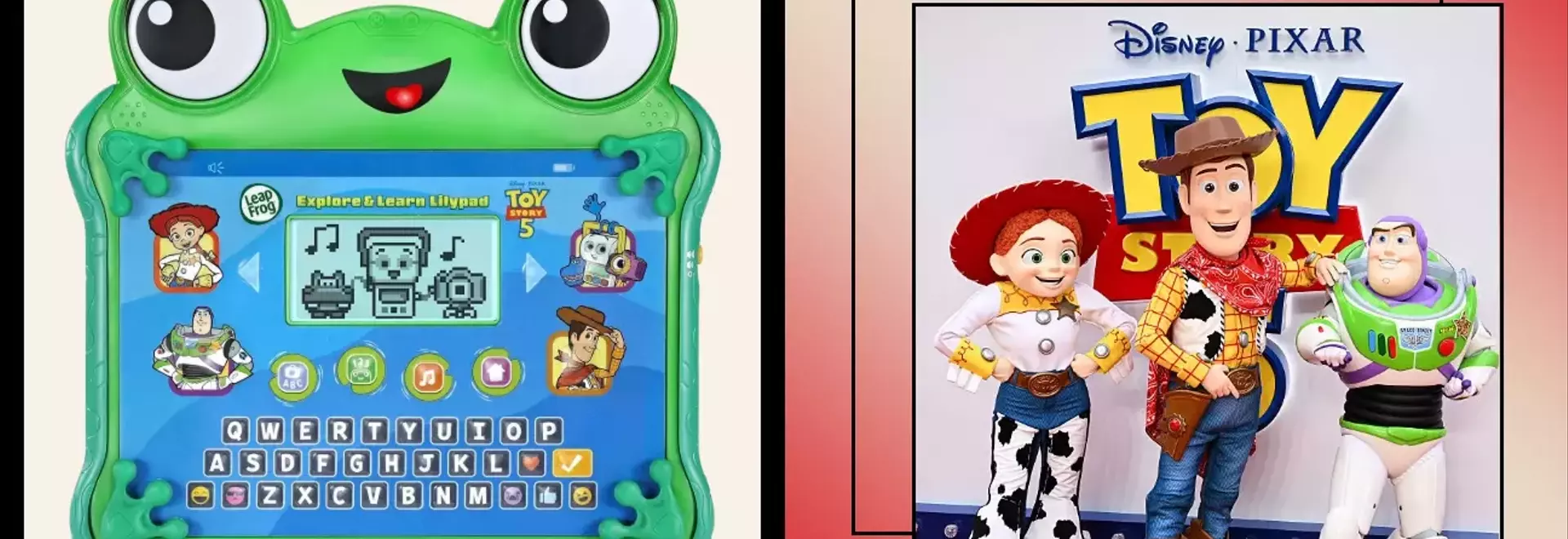
Fans eager to bring a piece of the "Toy Story 5" universe into their homes can now acquire a real-life version of Lilypad. LeapFrog, in collaboration with Disney and Pixar, has launched an educational tablet inspired by the film's character. This green-themed device is specifically designed for preschoolers, offering a suite of four distinct games aimed at developing foundational skills such as letter and number recognition, alongside critical problem-solving abilities. Children can also engage with the tablet's musical features, experiment with sound effects, and virtually communicate with Woody, Buzz, and Jessie through pre-programmed messages and emojis. A unique interactive element of the physical Lilypad is its movable eyes, which animate as users manipulate its webbed 'hands' located on the sides of the device.
Measuring approximately 9.4 by 9.3 inches and weighing around one pound, the "Toy Story" Lilypad tablet is powered by batteries, making it a convenient and portable learning companion. This officially licensed product from Pixar and LeapFrog builds on LeapFrog's reputation for creating a wide range of interactive educational toys for diverse age groups. The Lilypad tablet has rapidly become a bestseller on platforms like Amazon, with thousands of units sold in recent weeks, a trend expected to accelerate as the movie's theatrical run progresses. In addition to the functional tablet, collectors can also find a Lilypad Funko Pop! figurine. This vinyl collectible, standing about 3.75 inches tall, comes with an integrated stand for display and features distinct "Toy Story 5" branding within its numbered packaging.
The introduction of the Lilypad tablet in "Toy Story 5" and its subsequent release as a real-world product mark an intriguing intersection of cinematic storytelling and educational technology. This dual presence offers children a unique opportunity to connect with their favorite animated characters through both immersive entertainment and interactive learning, highlighting the continuous evolution of play in the digital age.