Oil Giants Maintain Production Stability Amid Soaring Prices
News

Oil Giants Maintain Production Stability Amid Soaring Prices

authorBy Michele Norris
DateMay 07, 2026
Read Time2 min

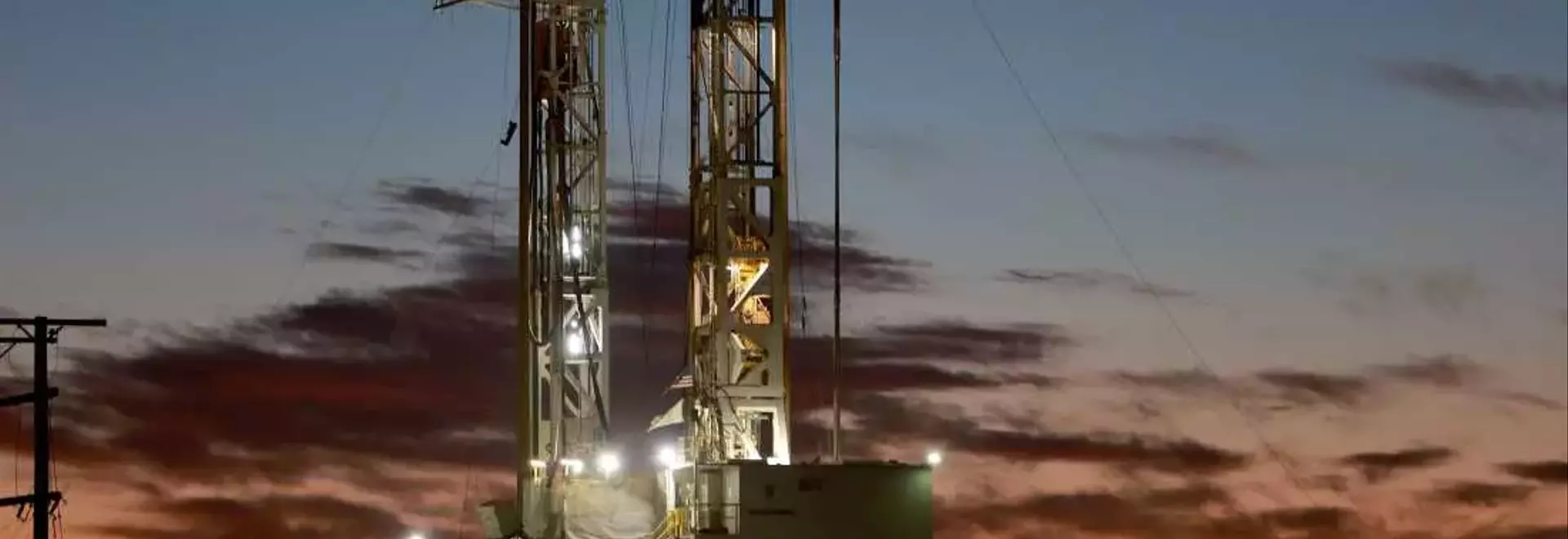
In the wake of escalating global oil prices, primarily driven by supply chain disruptions stemming from the conflict in Iran, leading oil enterprises are maintaining their established production trajectories. This approach, exemplified by Chevron CEO Mike Wirth's statement of "steady as she goes," highlights a deliberate reluctance to significantly alter operational plans despite the potential for increased profits from the current high prices and the broader need to stabilize fuel costs for consumers. This strategic conservatism prioritizes long-term financial stability over short-term gains, contrasting with market expectations for a rapid expansion of drilling activities.

This unwavering commitment to their original production schedules is rooted in a philosophy of financial prudence, heavily influenced by investor demands for consistent returns through dividends and share repurchases rather than aggressive expansion. Prior to the recent geopolitical turmoil, the global oil market was characterized by an oversupply, with prices remaining within a stable range of $60 to $70 per barrel in 2025. This environment made substantial new drilling projects economically unappealing. Even with current prices soaring past $100, the perceived risks associated with investing in production that might only be profitable under persistently high prices deter companies from making hasty decisions, as evidenced by ExxonMobil's consistent production growth plans and ConocoPhillips' modest adjustments.

The current situation also brings into focus the complex role of nations like Venezuela, which possess significant oil reserves. While U.S. political figures have advocated for increased investment in Venezuelan oil to alleviate global shortages, major oil companies remain wary due to past expropriations and the need for guarantees regarding political stability and contractual terms. Though higher prices make Venezuelan oil production more attractive, the timeline for any meaningful increase in output from the region is estimated to be several years. Furthermore, the intricate financial reporting of oil companies can obscure immediate profits, as paper losses from hedging activities can temporarily overshadow actual gains from physical oil sales, leading to a nuanced view of their quarterly performance.

The steadfast approach of major oil companies, prioritizing stability and investor confidence over an immediate ramp-up in production, reflects a sophisticated understanding of the volatile energy market. This strategy, while potentially frustrating for consumers facing high fuel costs, is designed to navigate economic uncertainties and ensure sustainable profitability. It underscores a commitment to disciplined capital allocation and a cautious outlook on geopolitical events, ultimately fostering a more resilient and enduring energy sector.

More Articles
News
The Vital Role of Pollinators: Enhancing Human Health and Economic Stability
New research from Nepal reveals the profound impact of pollinators, such as bees and hoverflies, on human well-being. These insects are responsible for over 20% of essential vitamin intake and more than 40% of income in rural farming communities. The study highlights how biodiversity loss could severely compromise both health and economic stability, while also offering hope that simple conservation efforts, like planting wildflowers, can reverse these trends and significantly improve community health and prosperity.
By Carl BernsteinMay 06, 2026
News
Embryo Selection: The Promise and Peril of Genetic Trait Screening
New companies are offering polygenic embryo screening, enabling parents to select embryos based on predicted health risks and desired traits like height, longevity, and even IQ. While proponents highlight disease prevention and personalized family planning, medical experts raise concerns about the reliability of these scores, the ethical implications of 'designer babies,' and the potential for unintended consequences.
By Isabel AllendeMay 06, 2026
News
Mangrove Conservation: A Lifeline for Indigenous Fishing Communities in Indonesia
This article explores the unique village of Torosiaje in Sulawesi, Indonesia, home to the Indigenous Bajau people. It highlights their traditional fishing practices and their innovative conservation efforts involving mangroves. The story delves into how these efforts are not only sustaining their livelihoods but also protecting their coastal environment. Additionally, it touches upon the cultural significance and historical legends surrounding the Bajau people and their deep connection to the sea and mangroves.
By Katty KayMay 06, 2026
News
Democrats See Midterm Advantage Amidst Economic Concerns and Trump's Approval Decline; "Project Freedom" Paused
A recent NPR poll reveals over 80% of Americans are feeling the pinch of high gas prices, largely blaming the current administration, leading to a significant drop in President Trump's popularity. This economic dissatisfaction, coupled with the unpopular war in Iran, has propelled Democrats to a 10-point lead in a hypothetical midterm election. Meanwhile, the "Project Freedom" operation in the Strait of Hormuz has been put on hold due to reported progress in negotiations with Iran, and the Indiana primary elections saw President Trump successfully support challengers against opposing state senators.
By Mona ChalabiMay 06, 2026
News
Iran's Revolutionary Guard Eases Restrictions on Strait of Hormuz Navigation
Iran's Revolutionary Guard has announced the resumption of safe passage through the Strait of Hormuz, following a pause in U.S. military escort efforts. This move aims to alleviate global economic disruptions caused by the waterway's closure since the U.S.-Israel attack on Iran, with President Trump issuing a conditional warning for continued peace.
By Rageh OmaarMay 06, 2026