The Vital Role of Pollinators: Enhancing Human Health and Economic Stability
News

The Vital Role of Pollinators: Enhancing Human Health and Economic Stability

authorBy Carl Bernstein
DateMay 06, 2026
Read Time2 min

The intricate relationship between natural ecosystems and human welfare is becoming increasingly evident, with recent scientific inquiries shedding light on how elements like clean air, purified water, and particularly, insect pollination directly contribute to our health and economic stability. While the general benefits of nature are widely acknowledged, pinpointing the specific ecological components that underpin human health and prosperity presents a complex challenge for researchers.

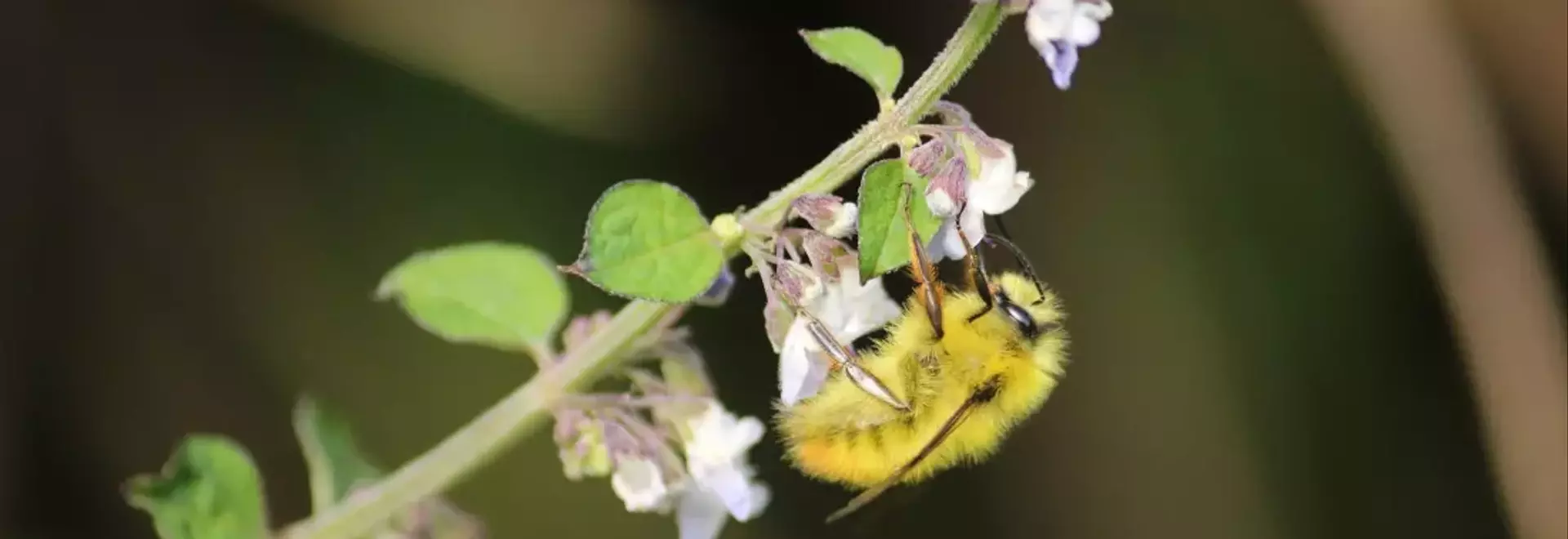
Understanding this complexity is crucial for bridging the gap between biodiversity and human nutrition, necessitating meticulous investigations into dietary patterns, crop yields, and the essential role of pollinators. In rural Nepal, a recent study has unveiled a compelling illustration of this connection, revealing that pollinating insects like bees and hoverflies contribute significantly to local populations' vitamin intake—exceeding 20% for key nutrients—and form the foundation for over 40% of their income. This dependency underscores the urgent need to address the decline of insect populations, which are threatened by climate change and habitat degradation; however, the research also provides an optimistic outlook, suggesting that straightforward interventions such as planting native flora could not only halt but reverse these losses, fostering improved health and economic resilience within these communities.

The findings emphasize that safeguarding biodiversity is not merely an environmental concern but a critical investment in public health, particularly for vulnerable populations whose livelihoods and nutritional well-being are intrinsically linked to the health of their surrounding ecosystems. The profound impact of pollinators on nutrient intake and income generation, as quantified by this study, demonstrates that conservation efforts are far from trivial. By implementing simple yet effective measures to support insect populations, such as providing nesting sites and reducing pesticide use, communities can achieve substantial improvements in dietary health and economic stability, proving that fostering a thriving natural world directly translates into a healthier, more prosperous human society.

The revelations from Nepal serve as a powerful testament to the interconnectedness of all life and underscore humanity's moral and practical obligation to protect and nurture our planet's biodiversity. By actively engaging in conservation and sustainable practices, we not only secure the future of countless species but also lay the groundwork for a healthier, more equitable world for all.

More Articles
News
Embryo Selection: The Promise and Peril of Genetic Trait Screening
New companies are offering polygenic embryo screening, enabling parents to select embryos based on predicted health risks and desired traits like height, longevity, and even IQ. While proponents highlight disease prevention and personalized family planning, medical experts raise concerns about the reliability of these scores, the ethical implications of 'designer babies,' and the potential for unintended consequences.
By Isabel AllendeMay 06, 2026
News
Mangrove Conservation: A Lifeline for Indigenous Fishing Communities in Indonesia
This article explores the unique village of Torosiaje in Sulawesi, Indonesia, home to the Indigenous Bajau people. It highlights their traditional fishing practices and their innovative conservation efforts involving mangroves. The story delves into how these efforts are not only sustaining their livelihoods but also protecting their coastal environment. Additionally, it touches upon the cultural significance and historical legends surrounding the Bajau people and their deep connection to the sea and mangroves.
By Katty KayMay 06, 2026
News
Democrats See Midterm Advantage Amidst Economic Concerns and Trump's Approval Decline; "Project Freedom" Paused
A recent NPR poll reveals over 80% of Americans are feeling the pinch of high gas prices, largely blaming the current administration, leading to a significant drop in President Trump's popularity. This economic dissatisfaction, coupled with the unpopular war in Iran, has propelled Democrats to a 10-point lead in a hypothetical midterm election. Meanwhile, the "Project Freedom" operation in the Strait of Hormuz has been put on hold due to reported progress in negotiations with Iran, and the Indiana primary elections saw President Trump successfully support challengers against opposing state senators.
By Mona ChalabiMay 06, 2026
News
Iran's Revolutionary Guard Eases Restrictions on Strait of Hormuz Navigation
Iran's Revolutionary Guard has announced the resumption of safe passage through the Strait of Hormuz, following a pause in U.S. military escort efforts. This move aims to alleviate global economic disruptions caused by the waterway's closure since the U.S.-Israel attack on Iran, with President Trump issuing a conditional warning for continued peace.
By Rageh OmaarMay 06, 2026
News
Exploring the 'Warsh' Pronunciation: Origins and Evolution in American English
This article delves into the linguistic phenomenon of pronouncing 'wash' as 'warsh,' a dialectal feature observed in various parts of the U.S. It traces the potential origins back to Scotch-Irish immigration and explores the phonological reasons behind this distinctive pronunciation, such as coarticulation. The piece also discusses the gradual decline of this pronunciation and its enduring cultural presence, highlighting its significance as a marker of regional identity.
By Lester HoltMay 06, 2026