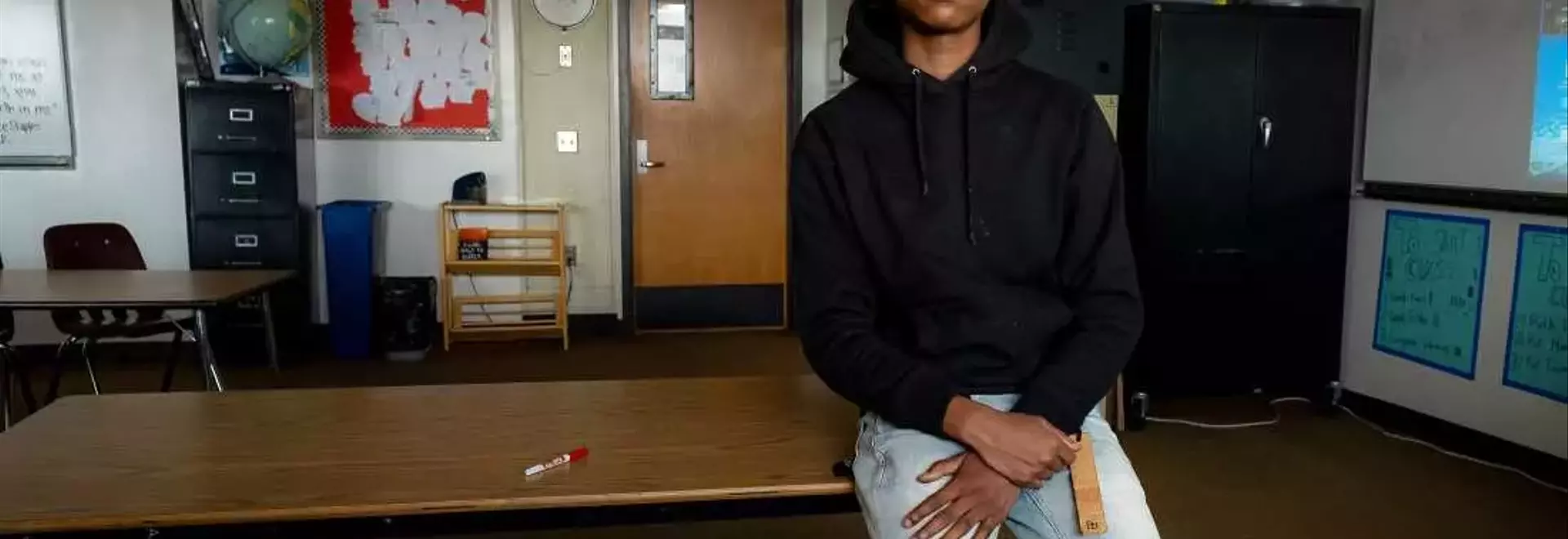
The Isolating Impact of "Emotionally Disturbed" Labels in Education
The categorization of students as 'emotionally disturbed' within the educational system often results in their segregation, inadvertently fostering social isolation and impeding their holistic development. This piece sheds light on the complex journey of individuals, like Walter, who navigate a system that, while intending to provide support, frequently sidelines them from mainstream learning environments. The article probes into the inherent subjectivity of this diagnostic label, its uneven application across diverse student populations, particularly affecting children of color and those from disadvantaged backgrounds, and the enduring ripple effects that can shape their futures, influencing everything from academic attainment to self-reliance in adulthood. Moreover, it examines the dilemmas encountered by dedicated educators striving to serve these students, alongside the broader discourse concerning the fairness and efficacy of existing special education frameworks.
A critical analysis reveals that the current approach to classifying and educating students with emotional or behavioral challenges is fraught with inconsistencies and systemic biases. Despite the noble intentions of laws designed to ensure equitable education, the practical implementation often falls short, leading to environments that, rather than integrating, further marginalize these vulnerable learners. This situation prompts a re-evaluation of how educational systems identify and respond to behavioral expressions, suggesting a need for a more nuanced understanding that acknowledges underlying factors such as trauma. The narrative advocates for a shift towards more inclusive practices that prioritize the integration and comprehensive support of these students, ensuring they receive an education that prepares them for successful lives within the broader community, rather than limiting their potential through prolonged segregation.
The Dual-Edged Sword of Specialized Education
For young individuals identified with emotional or behavioral disorders (EBD), the educational journey frequently involves a paradox: while specialized programs aim to offer tailored support, they often lead to an unintended consequence of social and academic isolation. This separation, which can begin as early as kindergarten, places students in environments with others sharing similar labels, inadvertently shaping their self-perception and limiting their opportunities for integration into broader school communities. The long-term implications are significant, with research indicating higher risks of incarceration and challenges in achieving self-sufficiency for these students. The current system’s reliance on subjective criteria for labeling also raises questions about fairness and the potential for misidentification, particularly among vulnerable populations.
The concept of specialized education for students with EBD, while rooted in the goal of providing necessary accommodations, often creates a segregated learning experience. For many, this leads to a perpetual cycle of being 'othered,' where their identity becomes intrinsically linked to their behavioral challenges. Educators, despite their commitment, find themselves in a system that makes it difficult to transition students back into mainstream settings, perpetuating the cycle of isolation. This approach also overlooks the diverse needs of these students, many of whom come from traumatic backgrounds, suggesting that their behaviors are often symptoms of deeper issues rather than intrinsic character flaws. The critical challenge lies in reforming these practices to ensure that specialized support fosters integration and skill development, rather than exacerbating isolation and limiting future prospects.
Addressing Systemic Biases and Fostering Inclusive Environments
The disproportionate labeling of students with emotional or behavioral disorders (EBD), particularly affecting children of color and those from low-income backgrounds, highlights a critical issue of systemic bias within educational institutions. Experts argue that the subjective nature of the EBD label allows for racial and socioeconomic factors to influence diagnoses, leading to an overrepresentation of minority students in segregated special education programs. This unequal application of labels, contrasting with the diagnoses given to white students for conditions like ADHD or autism, points to a deeper problem of racialized perceptions of behavior. Consequently, these students are not only isolated from their peers but also face a societal narrative that pathologizes their behavior, impacting their self-identity and future opportunities.
Efforts to move beyond the current restrictive practices in special education are crucial for promoting equity and better outcomes for students with EBD. There's a growing recognition that behaviors often reflect underlying traumas or unmet needs, challenging the traditional view of 'emotional disturbance.' The emphasis on the 'least restrictive environment' in educational mandates necessitates a shift from purely segregated settings to more inclusive models that support students within general education classrooms. Innovative approaches, such as comprehensive wraparound services that address both therapeutic and family support needs, are being explored to facilitate this integration. However, reforming this entrenched system requires overcoming significant challenges, including teacher shortages, funding disparities, and a need for updated research to guide best practices, ultimately aiming to equip all students with the tools for success in an equitable and inclusive educational landscape.