The Iranian Conflict's Far-Reaching Impact on the Global South
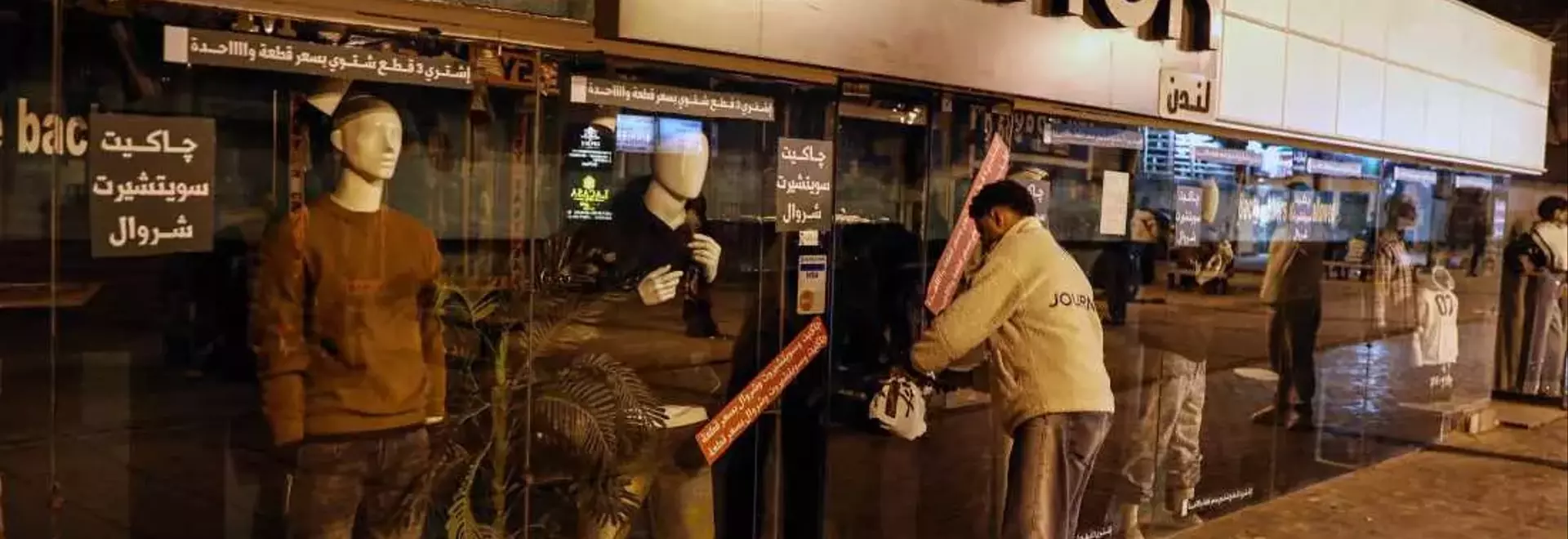
The conflict in Iran is casting a long shadow over daily life in various nations, illustrating the widespread and often unexpected consequences of geopolitical instability. In Cairo, the normally vibrant nightlife has dimmed considerably. Government mandates now require businesses, including cafes and shops, to close by 9 p.m., a stark contrast to the city's usual late-night rhythm. This measure, aimed at conserving energy, has significantly impacted local economies, leading to job losses and reduced income for many. The closure of the Strait of Hormuz, a vital international trade artery, has severely disrupted the supply of essential goods such as oil, gas, food, and medicine, creating a ripple effect that extends far beyond the immediate region. Furthermore, the economic turmoil in the Gulf has led to a decrease in remittances from migrant workers, a crucial source of income for numerous households in Africa and Asia, exacerbating existing financial vulnerabilities.
The economic repercussions are particularly acute in the Global South, where countries are experiencing currency depreciation, escalating inflation, and rising unemployment. Steven Were Omamo, a director at The International Food Policy Institute in Nairobi, emphasizes how energy shocks rapidly translate into higher fuel and transport costs, ultimately driving up food prices. This has made travel more expensive and unreliable across Africa, prompting concerns about widespread shortages. Similarly, Southeast Asian nations are facing heightened anxiety. In Thailand, residents are encouraged to work from home and use stairs to conserve energy, echoing the adjustments made during the pandemic. The energy crisis deeply affects all sectors, and the lack of robust mechanisms to mitigate these impacts leaves many countries struggling. For example, Laos, heavily reliant on fuel imports from Thailand, faces a precarious situation as Thailand prioritizes its own supply, highlighting the cascading nature of these challenges.
A critical concern emerging from this crisis is the escalating food insecurity. Disruptions in fertilizer supplies have severely hampered major rice producers in the Philippines and Vietnam, leading to reduced harvests. The World Food Programme warns that tens of millions globally could face acute food insecurity if the conflict persists. Somalia, already battling instability, terrorism, and prolonged droughts, is particularly vulnerable. Shukri Abdulkadir of the International Rescue Committee notes that food security is worsening, with farmers struggling to sustain crops amidst inadequate rainfall. The blockade in the Strait of Hormuz has interrupted essential imports of staples like rice, flour, and cooking oil, pushing already fragile communities further into crisis. Experts like Mirette Mabrouk from the Middle East Institute predict a prolonged recovery, even if peace is restored soon, due to extensive damage to energy infrastructure and the time required for global supply chains and economies to stabilize.
The current global challenges underscore the urgent need for international cooperation and resilient systems to mitigate the humanitarian and economic fallout of conflicts. As communities worldwide grapple with rising costs and resource scarcity, fostering peace, promoting sustainable development, and strengthening global solidarity become paramount. Only through collective action and forward-thinking policies can we hope to build a more stable and prosperous future for all, ensuring that no region is left behind in the face of adversity.