Wyoming Embraces Nuclear Power Amidst Energy Transition and AI Demands
News

Wyoming Embraces Nuclear Power Amidst Energy Transition and AI Demands

authorBy Isabel Allende
DateMay 02, 2026
Read Time2 min

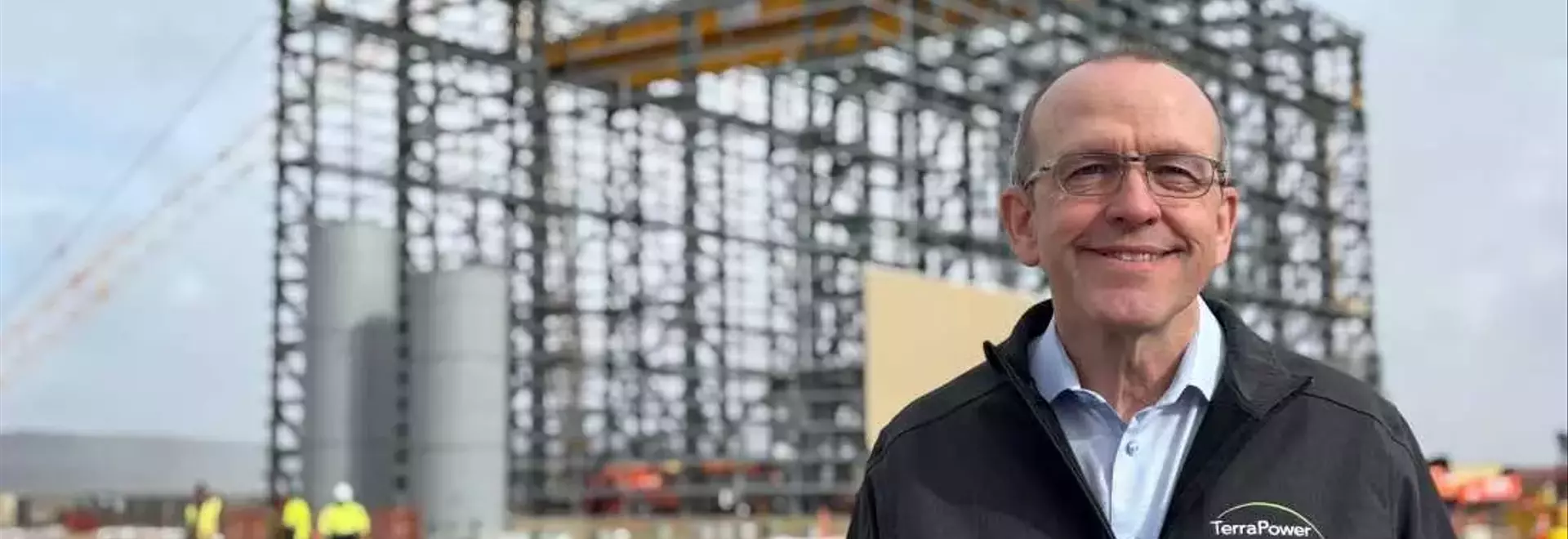
Wyoming is experiencing a significant shift in its energy landscape, marked by the recent federal approval for constructing an advanced nuclear reactor in Kemmerer. This development, spearheaded by Terra Power, a company founded by Bill Gates, represents a pivotal moment in the nation's energy strategy. The project aims to usher in a 'nuclear renaissance,' providing a cleaner, more stable power source, particularly as the demand for energy, driven by advancements in artificial intelligence and data centers, is projected to surge by 130% by 2030, according to the International Energy Agency.

The construction of this new reactor is not just about energy production; it's a testament to changing perceptions and technological innovations within the nuclear industry. Chris Levesque, CEO of Terra Power, highlights the advanced design of their reactors, which are engineered to be safer and more efficient to build compared to older models. This modern approach is helping to overcome past public resistance, famously known as the 'Not In My Backyard' (NIMBY) phenomenon, with communities now actively vying to host these facilities. The plant's design incorporates liquid sodium metal for cooling and a largely underground infrastructure, demonstrating a commitment to enhanced safety and reduced environmental impact. The state of Wyoming, a historical energy exporter, sees this as a crucial step towards economic diversification and maintaining its role as a leading energy provider.

Despite the widespread enthusiasm, particularly from local communities like Kemmerer which anticipates significant job creation and economic revitalization, the nuclear renaissance is not without its critics. Environmental advocates, such as Lexi Tuddenham from Healthy Environment Alliance Utah, express concerns about the long-term implications of nuclear waste storage and question the true 'green' credentials of nuclear energy. The historical context of the Western U.S., with its legacy of abandoned uranium mines and radioactive contamination, fuels these reservations. Nevertheless, proponents argue that new technologies produce less waste and that on-site storage is safe until a permanent federal repository is established, emphasizing the importance of nuclear power in achieving energy independence and combating climate change.

The journey towards a sustainable and secure energy future necessitates embracing innovative solutions while diligently addressing their potential impacts. The emergence of advanced nuclear technology presents a compelling pathway to meet growing energy demands with low-emission power. It also offers economic opportunities for regions transitioning away from traditional energy sources. Balancing the promise of progress with responsible environmental stewardship remains paramount, ensuring that the benefits of new energy solutions are realized for all, both presently and for generations to come.

More Articles
News
Geopolitical Tensions Reshape Global Economic Landscape: Energy Prices Soar, Recession Looms
The ongoing conflict involving Iran is profoundly impacting the global economy, leading to a significant surge in energy prices and heightening fears of an impending worldwide recession. This geopolitical event is causing ripple effects across various markets, influencing daily costs and financial stability on an international scale.
By Katty KayMay 01, 2026
News
From Financial Titan to Agritech Innovator: The Second Act of Bill McGlashan
Bill McGlashan, a former private equity executive, is making an unconventional comeback in the agritech sector with his startup, Oath. The company develops a microbial product that enhances crop yield and reduces resource consumption, aiming to tackle global food security and climate change. This venture represents McGlashan's ambition to redefine his legacy.
By Carl BernsteinMay 01, 2026
News
Schools Nationwide Reconsider Screen Time Limits in Classrooms
Amid growing concerns from parents and educators, several U.S. states and the Los Angeles Unified School District are implementing new policies to restrict screen time in schools. This move reflects a broader reevaluation of technology's role in education, balancing the potential benefits of digital tools with concerns about student well-being, academic performance, and data privacy. The debate highlights differing views on whether technology enhances or hinders learning and the challenges of establishing effective regulations.
By Ann CurryMay 01, 2026
News
Electric Vehicle Performance in Extreme Temperatures: AAA's Latest Findings
Electric vehicle batteries, much like humans, perform optimally within a specific temperature range. A recent study by AAA reveals that extreme temperatures significantly impact EV range, with hot weather reducing it by 8.5% and cold weather by a substantial 39%. While advancements have improved heat performance, cold weather efficiency remains a challenge. This research highlights the importance of driver awareness and adaptation for optimal EV use in varying climates.
By Isabel AllendeMay 01, 2026
News
SpaceX's Anticipated IPO Drives Shadow Market for Private Shares
Elon Musk's SpaceX, a private company for 24 years, is preparing for what could be the largest initial public offering ever. This anticipated event has fueled a robust shadow market for its private shares, largely driven by Special Purpose Vehicles (SPVs). These entities allow groups of investors to pool funds for single investments, leading to over 170 SpaceX-related SPVs formed in the past six years. The high demand for SpaceX shares in the private market, even before its public debut, indicates significant investor interest and hints at future trends for other high-profile tech companies like OpenAI and Anthropic.
By Carl BernsteinMay 01, 2026