Volvo Receives US Approval for 'Connected Vehicle' Imports
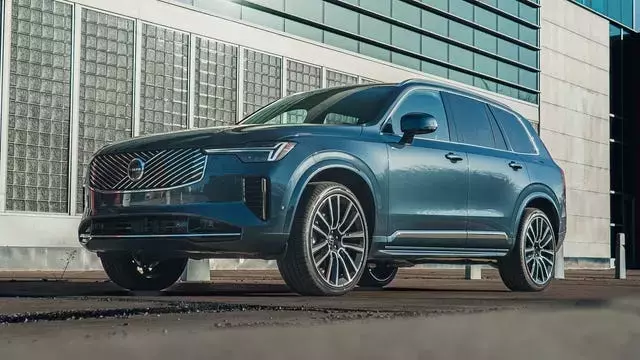
Volvo has successfully navigated recent US import restrictions, securing authorization to continue bringing its 'connected vehicles' into the country. This approval from the Office of Information and Communications Technology and Services (ICTS) is a significant development for the automaker, which is predominantly owned by China's Geely Holding. The decision means Volvo can largely circumvent new regulations designed to curb the import of Chinese-manufactured automobiles and associated software, thereby safeguarding a substantial portion of its US market presence. This outcome follows a period of concern for the company regarding its operational continuity in North America.
Towards the conclusion of his presidential term, President Joe Biden enacted stringent measures that largely prohibited vehicles from Chinese manufacturers from entering the United States. These rules were part of a broader initiative to address potential security risks associated with information and communications technology supply chains, particularly concerning 'connected vehicles.' The 'Securing the Information and Communication Technology and Service Supply Chain: Connected Vehicles' rule, which became effective in March for 2027 model year vehicles and beyond, posed a considerable challenge for manufacturers with Chinese ties.
Volvo's successful petition to the US government underscores the nuanced nature of international trade and national security policies. The company emphasized that its approval was the result of a rigorous, case-by-case assessment process with the US Department of Commerce. These discussions delved into Volvo Cars' corporate governance structures, technological safeguards, and data security protocols, ultimately leading to a specific authorization for the continued import and sale of its vehicles. This outcome highlights the importance of transparent dialogue and robust compliance frameworks for companies operating across complex geopolitical landscapes.
Despite this positive development for Volvo, the broader landscape for Chinese-affiliated automotive companies in the US remains uncertain. Certain lawmakers continue to advocate for more stringent regulations, with some even proposing a permanent ban on Chinese-made vehicles in the American market. Volvo's success in obtaining an exemption for its 'connected vehicles' offers a precedent, but it also accentuates the ongoing tensions and evolving policies surrounding technology and trade between the US and China. The ability of manufacturers like Volvo to demonstrate adherence to US security standards will be crucial for their long-term market access.
Volvo's ability to maintain its import operations despite escalating US trade restrictions against Chinese-owned enterprises marks a pivotal moment for the company. This governmental green light ensures that the automaker can proceed with selling its advanced vehicles, many of which contain sophisticated connectivity features, in a key global market. The meticulous review conducted by US authorities, focusing on areas like data security and technological governance, underscores the increasing scrutiny placed on the origins and operational integrity of imported automotive technology. This resolution not only alleviates immediate concerns for Volvo but also offers a potential framework for other companies navigating similar regulatory hurdles, highlighting the critical role of robust security measures and clear communication with regulatory bodies.