Unraveling the Pasta Paradox: Common Culinary Missteps
This special report from Serious Eats’ newly established Pasta Crimes Task Force exposes widespread culinary missteps that compromise the integrity and flavor of Italian-style pasta. While improvements in American pasta preparation are noted, with fewer instances of overcooked, mushy noodles, a significant number of infractions persist. The task force, spearheaded by Daniel Gritzer and Sasha Marx, is committed to eradicating these offenses, issuing citations for everything from improper saucing to neglecting to stir. This comprehensive guide, framed with a playful, exaggerated tone reminiscent of a 1980s detective show, encourages readers to identify and report these “noodle ne'er-do-wells,” ensuring that traditional pasta principles are upheld and every dish achieves its delicious potential.
Details of the Culinary Misdemeanors
Culinary detectives have identified a series of common missteps that undermine the quality of pasta dishes, leading to less-than-ideal gastronomic experiences. Each error, from initial preparation to final serving, plays a role in diminishing the pasta's intended texture and flavor.
The Oiling of Pasta Water: A Futile Exercise
A contentious practice that frequently arises in kitchens is the addition of oil to pasta cooking water. This technique, once advocated by some culinary figures, is largely deemed ineffective. Oil and water, being immiscible, do not blend; instead, the oil floats on the surface. Consequently, it does not prevent pasta from sticking together, nor does it enhance flavor. The true solution to sticky pasta lies in consistent stirring during the cooking process. Using valuable oil in this manner is wasteful, as it could be far better utilized in the subsequent saucing of the pasta, where its flavor can genuinely contribute to the dish.
The Severing of Long Pasta: A Crime Against Form
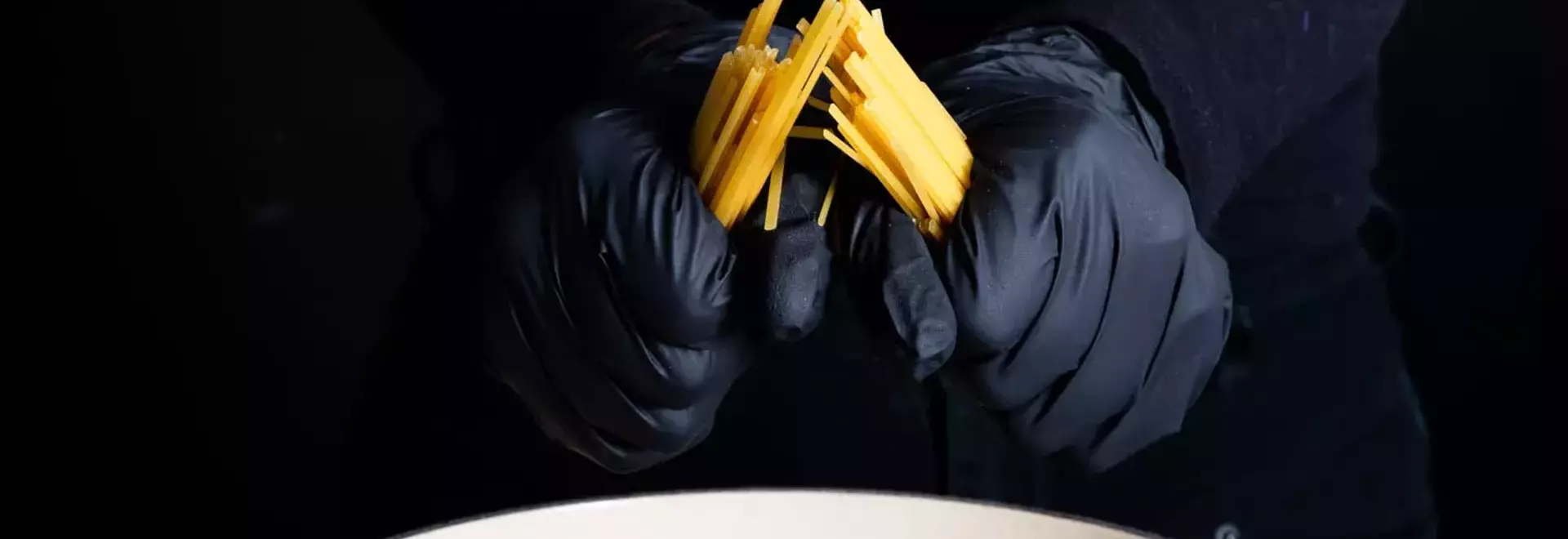
Another culinary transgression involves deliberately breaking long pasta shapes, such as spaghetti, to fit them into smaller pots. This act is considered a violation of the pasta's intrinsic design and purpose. Each pasta shape is crafted to complement specific sauces and provide a unique mouthfeel. Breaking long pasta disrupts this intended harmony, resulting in an inconsistent texture and an altered dining experience. For those preferring shorter pasta, the appropriate solution is to purchase shapes specifically designed for that length, thus respecting the artistry of pasta making.
The Act of Rinsing and Draining: Washing Away Flavor
A common error, particularly perplexing to seasoned chefs, is rinsing cooked pasta under tap water after straining. This practice, often performed without consideration, removes the essential starchy coating from the pasta strands. This starch is crucial for enabling sauces to adhere effectively to the pasta, creating a cohesive and flavorful dish. Furthermore, the valuable starchy pasta water, often reserved to emulsify and enhance sauces, is discarded. Rinsing diminishes both the pasta's ability to absorb flavor and the opportunity to enrich the sauce, resulting in a less integrated and less satisfying meal.
Saucing Separate from Pasta: A Disconnected Union
The habit of serving plain pasta with sauce merely spooned on top, rather than thoroughly mixing them, results in a disjointed dish. This method creates an unappealing puddle of sauce-tinted water at the bottom of the plate and prevents the pasta from being properly coated. The ideal approach involves combining the cooked pasta with its sauce directly in a pan, allowing each strand to be fully enveloped. This ensures a harmonious blend of flavors and textures, creating a truly integrated culinary experience.
The Fresh vs. Dry Pasta Misconception: A Matter of Preference, Not Superiority
There's a prevailing misconception that fresh pasta is inherently superior to dried pasta. However, culinary experts emphasize that fresh and dried pastas serve different purposes and excel in various applications. Fresh pasta, while delightful in its own right and often associated with certain regional dishes, is not universally better. Dried pasta, particularly high-quality varieties, can offer a more robust texture and flavor profile, making it ideal for a wider range of sauces. The choice between fresh and dried should be driven by the specific dish and desired outcome, rather than a blanket assumption of one's superiority over the other.
Overcooking and Undercooking: The Extremes of Preparation
Pasta preparation often falls victim to two extremes: overcooking and undercooking. Overcooked pasta becomes mushy, pale, and loses its structural integrity, reminiscent of neglected, waterlogged strands. This renders it unappetizing and detracts significantly from the dining experience. Conversely, undercooked pasta can be excessively firm, leaving a hard, chewy core. While some prefer a very firm "al dente," extreme undercooking makes the pasta unpleasantly rigid. The optimal point lies in a perfectly cooked "al dente," where the pasta retains a slight bite without being hard, allowing it to absorb sauce while maintaining its form.
The Pre-Grated Cheese Fallacy: A Compromise of Flavor and Purity
The use of pre-grated cheese is a common shortcut that often sacrifices quality. Such cheeses are frequently old, lacking the vibrant flavor of freshly grated varieties. Moreover, many shelf-stable pre-grated options contain anti-caking agents like cellulose, which is essentially wood pulp. This additive not only dilutes the cheese's flavor but also introduces an undesirable texture. For an authentic and flavorful pasta dish, freshly grated hard cheeses, such as Parmigiano-Reggiano or Grana Padano, are indispensable. Grating cheese just before serving ensures maximum aroma and taste, enhancing the overall sensory experience.
Over-Saucing: Drowning the Star
Applying an excessive amount of sauce can transform a pasta dish into a soup, obscuring the pasta itself. The goal of saucing pasta is to coat each piece evenly, allowing the pasta's texture and flavor to shine through, rather than being overwhelmed. Italian culinary tradition emphasizes "pastasciutta," meaning "dry pasta," referring to dishes where the pasta is lightly dressed rather than swimming in liquid, in contrast to "pasta in brodo" (brothy pasta) or "pasta al forno" (baked pasta). A well-balanced dish highlights the harmonious interplay between pasta and sauce, with neither element dominating the other.
Neglecting to Stir: The Clumping Catastrophe
A fundamental yet often overlooked step in pasta preparation is continuous stirring, particularly in the initial minutes of cooking. Failing to stir after adding pasta to boiling water allows the strands to stick together, forming unsightly and improperly cooked clumps. This negligence results in unevenly cooked pasta, with some parts remaining hard while others become mushy. Proper stirring ensures that each piece of pasta cooks uniformly and remains separate, contributing to a superior texture and overall dish quality. This simple act prevents a frustrating and avoidable culinary mishap.
Reflecting on these prevalent pasta blunders, it's clear that attention to detail can elevate a simple meal into a culinary masterpiece. The insights shared by the Pasta Crimes Task Force highlight not just what to avoid, but also the underlying principles that make Italian pasta dishes so beloved. By understanding the science and tradition behind each step, from the boiling pot to the final plating, home cooks can transform their approach to pasta. This isn't just about following rules; it's about appreciating the nuanced interplay of ingredients and techniques that create a truly authentic and delicious experience. Embracing these guidelines ensures that every dish is a celebration of flavor, texture, and culinary heritage, rather than a missed opportunity. Ultimately, making great pasta is a journey of continuous learning and passionate dedication, reminding us that even the simplest ingredients demand respect and careful handling.