U.S. Courts: Recent Legal Developments and Key Figures
Recent judicial activities and legal decisions in the United States have drawn considerable attention, underscoring the dynamic nature of the country's legal landscape. From the Supreme Court's influence on fundamental electoral protections to various high-stakes indictments and the evolving challenges posed by technology to legal frameworks, these developments collectively reflect the ongoing efforts to interpret and apply the law. The collection of events discussed showcases a range of issues, including the power of judicial review, the accountability of public figures, and the broader societal implications of legal rulings and investigations.
Amidst these developments, the origins and implications of the Supreme Court's "shadow docket" continue to be a subject of intense scrutiny, alongside investigations into significant incidents that demand legal and regulatory responses. The outcomes of these cases and ongoing discussions surrounding them are pivotal in shaping public policy, influencing national discourse, and determining the future trajectory of American justice. The complex interplay of legal principles, political considerations, and technological advancements ensures that the legal arena remains a crucial battleground for defining rights, responsibilities, and societal norms.
The Supreme Court's Influence on Voting Rights and Judicial Processes
The conservative majority on the Supreme Court has significantly altered the landscape of voting rights, enacting decisions that have been perceived by many as weakening the foundational protections established by the Voting Rights Act. This reshaping of legal precedent has sparked widespread debate regarding voter access and the integrity of democratic processes. Such judicial interventions often involve complex interpretations of constitutional law and can have far-reaching effects on how elections are conducted and how citizens exercise their franchise, leading to ongoing discussions about the balance of power and the role of the judiciary in safeguarding democratic principles.
Beyond voting rights, the Supreme Court's operational methods, particularly the use of its "shadow docket," have drawn considerable scrutiny. The shadow docket refers to the Court's practice of issuing rulings and orders without full briefing or oral argument, often on an emergency basis. This approach has raised concerns about transparency, accountability, and the potential for significant legal and policy changes to be enacted with minimal public deliberation. Understanding the historical context and evolution of the shadow docket is crucial for comprehending its impact on contemporary legal challenges and the broader implications for American jurisprudence, as these expedited decisions can bypass traditional judicial review and affect a wide range of critical issues.
High-Profile Legal Cases and Regulatory Challenges
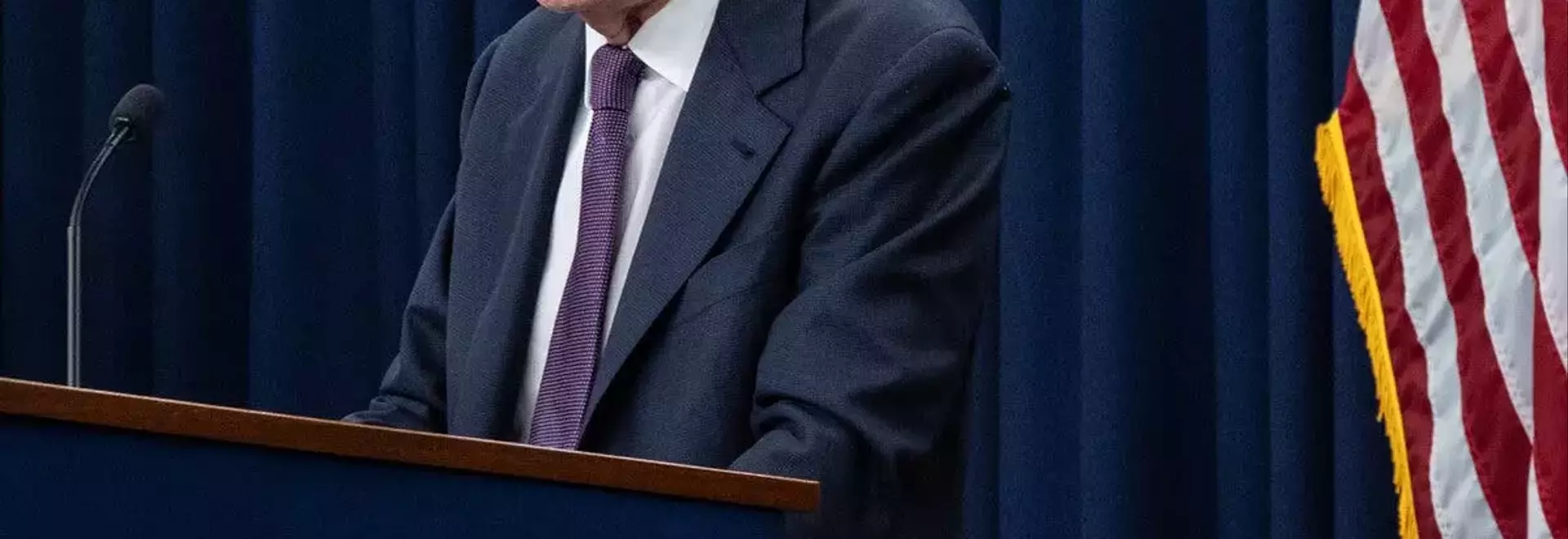
In the political sphere, recent legal actions against prominent figures, such as the indictment of former F.B.I. director James Comey by the Trump administration, highlight the intense legal battles unfolding at the highest levels of government. These cases often involve intricate legal arguments and can have significant political ramifications, influencing public perception and shaping political discourse. Similarly, announcements regarding federal officials, such as Jerome Powell's decision to remain as Fed Governor, while not directly judicial, reflect the ongoing interplay between legal mandates, policy decisions, and the stability of governmental institutions, all of which are frequently subject to legal interpretation and oversight.
Furthermore, the legal system is actively confronting the challenges posed by new technologies and complex accidents. A verdict against major tech platforms like Meta and YouTube has ignited discussions about the potential for revolutionary changes in how social media is regulated, particularly concerning content moderation, user privacy, and platform accountability. Concurrently, thorough investigations by bodies like the N.T.S.B. into accidents, such as the incident at LaGuardia, underscore the critical role of legal and regulatory frameworks in ensuring public safety and holding responsible parties accountable. These diverse legal proceedings collectively demonstrate the pervasive influence of the law across various sectors, from electoral integrity and governance to technological innovation and public welfare.