Tesla's Transformative Week: EV Sales Surge, SpaceX IPO Anticipation, and Cybertruck Innovations
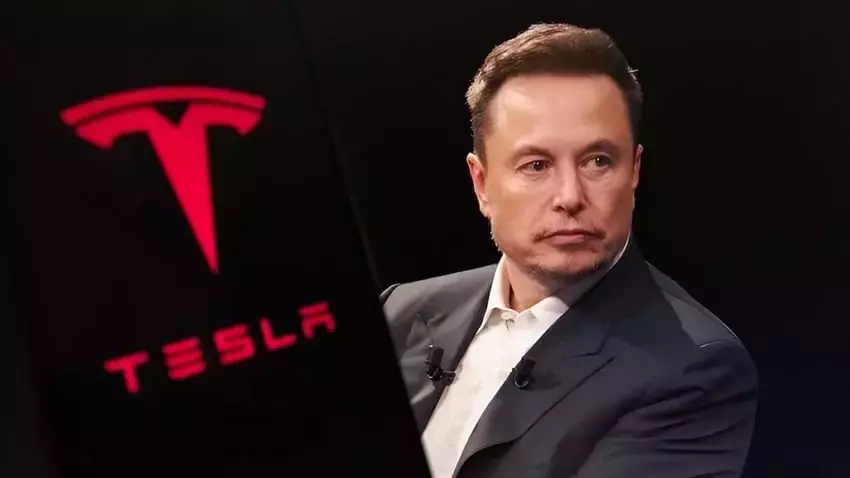
This week was particularly eventful for Elon Musk's various enterprises, especially Tesla, as a flurry of significant announcements and market movements captivated investors and industry observers alike. Despite the cessation of a federal tax incentive, electric vehicle sales in the United States reached unprecedented levels, indicating a robust demand independent of subsidies. Simultaneously, the financial community buzzed with predictions regarding the impending initial public offering of SpaceX, prompting strategic considerations among investors. Furthermore, notable enhancements were revealed for the Cybertruck's autonomous capabilities, alongside adjustments to Tesla's Full Self-Driving program that have generated discussion among its user base. These developments paint a picture of a company at the forefront of technological innovation and market evolution.
Against a backdrop of shifting government policies, specifically the discontinuation of the $7,500 Federal EV Credit by the Trump administration, U.S. electric vehicle sales soared to an all-time high in May. Preliminary figures indicated approximately 85,000 units sold, a testament to the growing consumer adoption of EVs. Notably, the average transaction price for these vehicles saw a 4% year-over-year decrease compared to May 2025, settling at $54,532. This price adjustment, coupled with increased sales volume, suggests a maturing market where electric vehicles are becoming more accessible to a broader consumer base, even without direct federal incentives.
Meanwhile, the investment landscape was dominated by discussions surrounding SpaceX's anticipated IPO. Prominent investors like Gary Black of The Future Fund LLC voiced expectations that some retail investors might liquidate their current Tesla holdings to acquire shares in the SpaceX offering. This anticipated reallocation of capital underscores the considerable excitement and perceived value of SpaceX within the investor community. Ross Gerber, another influential investor, echoed this sentiment, emphasizing the significant market buzz and strategic importance of SpaceX's public debut.
In technological advancements, Tesla confirmed that its Cybertruck will soon be equipped with the 'Actually Smart Summon' feature. This cutting-edge functionality will enable the all-electric pickup truck to autonomously navigate short distances and maneuver through parking lots, enhancing convenience and showcasing Tesla's continuous drive for innovation in autonomous driving technology. This update is expected to further differentiate the Cybertruck in the competitive EV market.
Adding another layer of intrigue, crypto prediction markets observed a surge in wagers concerning a potential merger between Tesla and SpaceX. Over half a million dollars had been bet on this outcome, reflecting a growing belief among some speculators that Elon Musk might consolidate his two major ventures. While the likelihood of such a merger occurring within the current year was estimated at 24%, a more substantial 53% probability was projected for a merger by May 2027. This speculative activity highlights the market's fascination with the interconnected destinies of Musk's pioneering companies.
However, not all news was universally positive for Tesla this week. The company announced modifications to its Full Self-Driving (FSD) transfer policy, stipulating that FSD transfers would no longer be permitted for certain vehicle configurations. This change led to cancellations from some customers who had based their purchase decisions on the previous policy. In response, Tesla offered three distinct options to the affected buyers, aiming to mitigate dissatisfaction and address the concerns arising from the updated terms.
Finally, a critical comparison surfaced regarding the scale of Tesla’s robotaxi fleet. Reports indicated that Tesla’s unsupervised robotaxi fleet had reportedly become smaller than PepsiCo’s Doritos truck fleet. This surprising statistic highlighted the challenges and complexities of deploying fully autonomous vehicle networks at scale. In contrast, PepsiCo’s autonomous delivery trucks, developed by Gatik in collaboration with Isuzu Motors and powered by Nvidia Corp. DRIVE AGX technology, have reportedly achieved a perfect safety record with zero accidents, offering a different perspective on the progress and practical applications of autonomous fleet operations.
This week's developments provided a multifaceted view of Tesla and its associated ventures. From the impressive resilience of U.S. EV sales and the burgeoning excitement around SpaceX's IPO to the Cybertruck's evolving capabilities and the nuanced adjustments to FSD policies, Elon Musk's ecosystem remains a focal point of innovation and market speculation. These events collectively underscore the dynamic and often unpredictable nature of the automotive and technology sectors, where rapid advancements and strategic corporate decisions continuously reshape the industry landscape.