The Rise of China's Homegrown Luxury Market
In a significant shift within the global luxury market, Chinese consumers are increasingly embracing homegrown brands, challenging the long-standing dominance of European luxury goods. This burgeoning trend is fueled by a confluence of factors: competitive pricing, state-of-the-art technology, and a deep-seated cultural resonance that appeals to local tastes. This movement is unfolding against a backdrop of rising nationalism and a burgeoning pride in China's economic achievements, even as the nation navigates domestic economic headwinds.
The Ascent of Chinese Luxury: A Detailed Look
In May 2026, a notable trend emerged in the Chinese luxury market, signaling a significant shift in consumer preferences. Li Maozai, a distinguished partner at a law firm in Nanchang, a city in southern China, exemplified this change when he opted for a Chinese-made luxury vehicle, the Maextro S800, after years of driving high-end German cars like Mercedes-Benz and BMW. This decision, initially surprising even to Mr. Li himself, underscores a broader movement within China’s affluent consumer base.
The Maextro S800, a collaborative effort between tech giant Huawei and JAC Motors, quickly rose to prominence, becoming China's best-selling luxury car. Priced at $140,000, it offers a compelling alternative to its European counterparts, boasting sleek aesthetics, sophisticated design, and advanced technological features that, according to Mr. Li, surpassed those found in his previous German vehicles. Huawei reported that in April, one in three luxury cars sold in China was a Maextro, a clear indicator of its rapid market penetration and consumer acceptance.
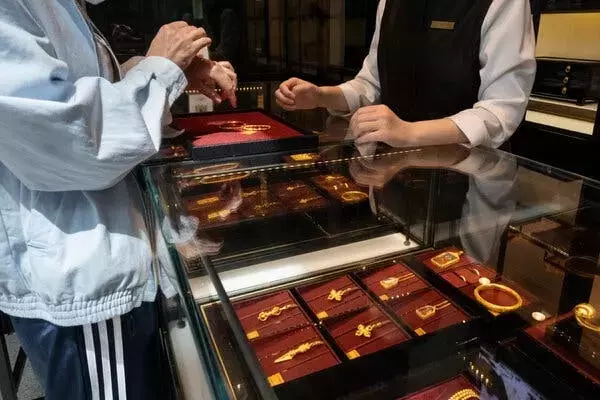
This surge in popularity for domestic luxury brands is not confined to the automotive sector but extends across various segments, including personal goods and hospitality. Chinese shoppers, despite facing economic challenges such as a property crisis and subdued consumer spending, are increasingly drawn to 'Made-in-China' luxury items. The allure lies in their more accessible price points, innovative technologies, and a cultural sensibility that is meticulously tailored to local preferences. This phenomenon is deeply intertwined with an escalating sense of national pride and a celebration of China's remarkable economic growth over recent decades.
The growing preference for Chinese luxury brands signifies a pivotal moment for the global luxury industry. It highlights a burgeoning sense of national pride and an appreciation for innovative, locally developed products. This trend could reshape market dynamics, compelling established international luxury brands to adapt their strategies to cater to the evolving tastes and patriotic sentiments of Chinese consumers. The rise of Chinese luxury is not merely an economic shift but a cultural affirmation, demonstrating the nation’s increasing confidence in its own design capabilities and technological prowess.