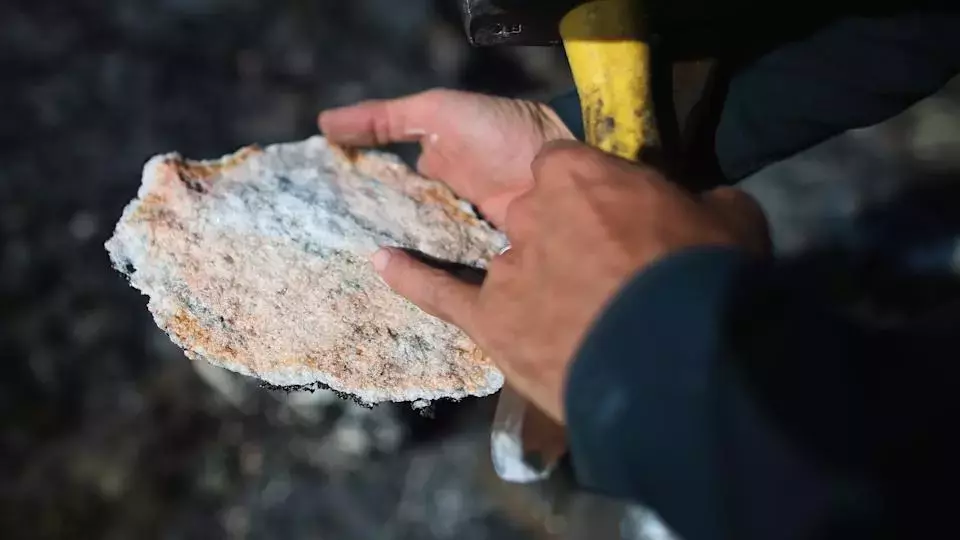
Rare Earths: The New Geopolitical Battleground
In an evolving global economic landscape where raw materials are increasingly central to national security and technological advancement, rare earth elements have emerged as a new focal point for international competition. This shift is driving significant investments aimed at diversifying supply chains, particularly away from China, which currently holds a commanding position in the processing of these vital minerals. Consequently, investors are exploring new avenues to gain exposure to these critical resources, alongside more conventional portfolio mainstays such as gold and real estate.
Global Race for Critical Minerals: A Shifting Geopolitical Landscape
On June 1, 2026, USA Rare Earth made a pivotal announcement: a substantial investment exceeding 175 million euros (approximately $204 million) to bolster its rare-earth metals, alloys, and magnet production capabilities in France by 2030. This strategic move aligns with the United States' broader initiative to develop robust supply chains independent of China, thereby securing access to materials deemed indispensable for national security and cutting-edge manufacturing. This ambitious undertaking is projected to generate over 300 jobs and may also benefit from support from the French government, underscoring the collaborative effort to establish a resilient Western rare-earth ecosystem.
While gold has traditionally captured headlines as a safe-haven asset, especially amidst economic uncertainties, the increasing demand for critical minerals—such as lithium, copper, nickel, and graphite—signals a profound transformation in global resource competition. These materials are fundamental to the production of electric vehicles, semiconductors, wind turbines, data centers, military equipment, and artificial intelligence infrastructure. This escalating demand has led to a global scramble to secure these resources, making their availability a strategic priority for governments worldwide.
Despite their name, rare earth elements are not inherently scarce. The primary challenge lies in their complex processing and refining. China currently controls about 70% of global mining output and an estimated 90% of the processing and refining capacity for these materials, in addition to being the dominant manufacturer of permanent magnets derived from them. This formidable control has raised concerns among Western nations, particularly in light of Beijing's recent tightening of export controls and restrictions on certain rare-earth products. In response, countries across the U.S., Europe, Canada, and Australia are actively investing in alternative supply sources to mitigate dependency and enhance strategic autonomy.
For individual investors, gaining exposure to this sector typically involves investments in mining companies, exchange-traded funds (ETFs) focused on critical minerals, or broader natural resource funds. These investments can appreciate as demand for strategic materials intensifies and governments continue to subsidize domestic production efforts. However, critical mineral investments are often characterized by higher volatility compared to traditional assets like gold, with prices susceptible to fluctuations driven by government policies, international trade disputes, technological innovations, and shifts in industrial demand. Gold, on the other hand, frequently acts as a hedge against market instability, preserving wealth during tumultuous periods. The recent market volatility, exemplified by the Nasdaq Composite Index's decline and a surge in the VIX following a stronger-than-expected jobs report, further highlights gold's role as a diversifying asset. To manage these risks, investors are encouraged to maintain a diversified portfolio. This might include combining critical mineral investments with gold IRAs for tax advantages and stability, or opting for broad-market index funds, which Warren Buffett advocates for their low-cost, diversified exposure to numerous companies. Additionally, alternative assets like real estate, accessible through crowdfunding platforms, offer another avenue for diversification, providing potential capital appreciation and a stable income stream independent of stock market fluctuations.
The strategic investment by USA Rare Earth in France serves as a compelling indicator of the global race to control critical minerals. This ongoing shift underscores the evolving nature of international competition and the pressing need for diversified, secure supply chains for the foundational components of modern technology and defense. As this geopolitical dynamic continues to unfold, the role of rare earths and other critical minerals in global portfolios will likely grow in significance, influencing both national economic strategies and individual investment decisions.