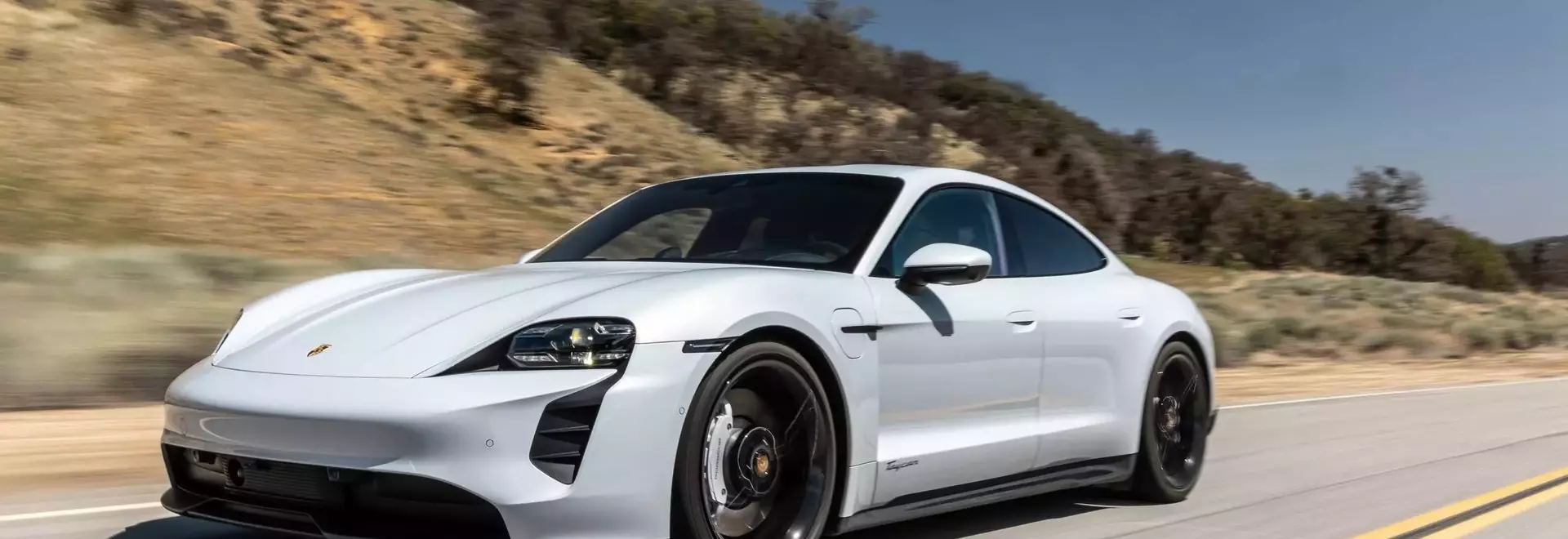
Porsche CEO Acknowledges Premature Taycan Launch
Porsche's Chief Executive Officer, Michael Leiters, recently disclosed that the 2020 introduction of the Taycan, the brand's inaugural fully electric vehicle, might have been premature. Speaking at a panel discussion in Germany, Leiters reflected on the timing, indicating that the market might not have been fully prepared for such a significant leap into electrification. While acknowledging the Taycan as a flagship project and an exceptional product, its primary drawback was its range, particularly when compared to competitors. This insight suggests that the company might have been ahead of its time, prompting a reevaluation of strategies for future electric models, including the next-generation Taycan, which is expected to feature enhanced battery technology and performance.
The journey towards widespread electric vehicle adoption truly accelerated in the 2010s, witnessing the emergence of influential models like the Nissan Leaf and Tesla Model S. During this period, numerous automotive manufacturers began to unveil their own electric offerings. Porsche joined this movement in the mid-2010s, first showcasing the Mission E concept in 2015, which later materialized as the Taycan in 2019 for the 2020 model year. This marked a pivotal moment for Porsche, introducing its first production EV to the global market. Since then, the electric vehicle lineup has expanded to include electrified versions of popular models such as the Macan and Cayenne.
Despite Porsche's bold venture with the Taycan, Leiters' comments underscore a contemplation regarding the initial rollout. He stated, "Porsche remains open to all technologies. Porsche was a pioneer in e-mobility; the Taycan was a flagship project and an outstanding product. But the timing wasn't ideal; we were apparently too fast with e-mobility." His remarks hint at underlying challenges or market conditions that made the early adoption of advanced EV technology less optimal than anticipated. However, he refrained from elaborating further, possibly due to the presence of his predecessor, Oliver Blume, who is now the CEO of Volkswagen, at the same panel discussion.
Leiters' perspective might also be influenced by the broader context of the Volkswagen Group's rapid expansion into electric vehicles between 2019 and the early 2020s. During this period, many brands under the VW Group umbrella introduced their electric models, some of which faced a lukewarm reception. While the Taycan largely escaped severe criticism, being recognized as a high-quality vehicle, its range limitations were a notable concern. Had development extended, the Taycan might have benefited from more advanced battery technologies, potentially increasing its appeal and usability. Looking ahead, Porsche is actively developing a new generation of the Taycan. This forthcoming model is anticipated to leverage insights gained from the current version, promising even greater power and more efficient battery utilization to better meet market expectations.
In retrospect, Porsche's early commitment to electric mobility with the Taycan was a visionary step, yet its timing presented unforeseen hurdles. The subsequent iterations and ongoing developments, particularly in battery technology and range optimization, reflect a learning curve and a strategic pivot to align more closely with market readiness and consumer expectations for high-performance electric vehicles.