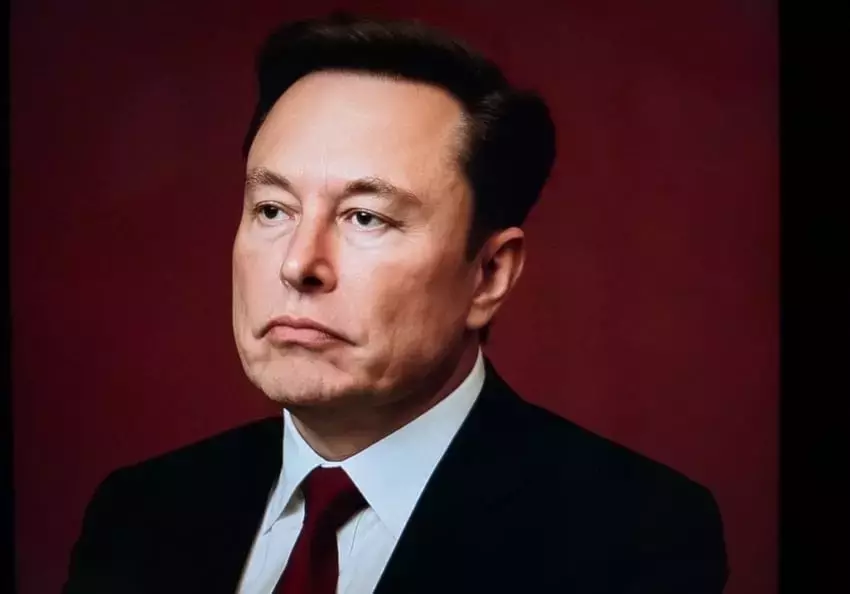
Musk's Trillionaire Status Sparks Healthcare Debate: A Tale of Wealth and Inequality
Money

Musk's Trillionaire Status Sparks Healthcare Debate: A Tale of Wealth and Inequality

authorBy Chika Uwazie
DateJun 14, 2026
Read Time2 min
The recent public debut of SpaceX, making Elon Musk the world's first trillionaire, has ignited a fierce debate among prominent figures regarding economic fairness and societal priorities. This event has brought into sharp focus the chasm between immense personal wealth and the foundational needs of the populace, particularly access to healthcare.

Bridging the Divide: Wealth, Innovation, and Societal Responsibility

Examining the Paradox: Extreme Riches Amidst Public Need

Senator Adam Schiff voiced strong concerns about the nation's economic framework following the revelation of Elon Musk's trillion-dollar fortune. He remarked on the profound imbalance of a system that can generate such unprecedented wealth for an individual yet struggle to ensure basic healthcare for its citizens. Schiff pointed out that a minuscule portion of the population possesses a disproportionate share of the country's total wealth, framing this as a direct consequence of a flawed system where prosperity begets more prosperity, and poverty entrenches itself.

Differing Perspectives: Wealth Creation Versus Systemic Flaws

However, not all prominent voices concurred with Schiff's critical assessment. Investor Bill Ackman, in defense of Musk, countered that such immense wealth is not merely a hoard of cash but rather a reflection of significant value creation and a catalyst for human advancement. Ackman emphasized that Musk's companies reinvest their profits into groundbreaking innovations rather than distributing dividends, citing SpaceX's role in creating numerous millionaires among its employees. He argued that this wealth fuels progress rather than being static.

The Call for Fiscal Reform: Taxation and Equity

The discussions around Musk's financial milestone and the public offerings of companies like SpaceX and OpenAI have reignited calls for a wealth tax. Figures like Senator Elizabeth Warren and Representative Sarah Jacobs are advocating for policies that address the growing income disparity. These calls are supported by data indicating a widening gap where the wealthiest individuals have seen substantial gains, while the majority of the population has experienced a decline in their financial standing.

Market Dynamics: The Impact of Public Listings

Adding to the discourse, the market performance of SpaceX shares underscored the financial magnitude of these ventures. Following its trading debut, SPCX shares surged significantly, propelling the company's market capitalization past the 2 trillion dollar mark. This impressive market activity serves as a tangible representation of the value and potential perceived in Musk's enterprises, further fueling the conversation about the societal implications of such concentrated wealt

More Articles
Money
Weekly Economic Highlights: SpaceX, Trump, and Oil Market Dynamics
This week's economic review covers major financial and technological news. Key topics include Jim Cramer's predictions on SpaceX's IPO impacting AI deals, Hillary Clinton's critique of Donald Trump's 'I love inflation' remark, the decline in crude oil prices ahead of a potential US-Iran deal, and an early SpaceX investor's outlook on space-based computing infrastructure.
By JL CollinsJun 14, 2026
Money
US Administration Unlikely to Broaden AI Export Restrictions Beyond Anthropic
The U.S. government is reportedly not planning to extend its current AI export controls, which specifically target Anthropic, to other prominent AI developers like OpenAI. Concerns are primarily focused on security vulnerabilities discovered in Anthropic's Fable 5 and Mythos 5 models, which authorities fear could be exploited by foreign adversaries. These models were subsequently disabled for foreign nationals. While Anthropic claims similar vulnerabilities exist in other AI models, the administration appears to be taking a selective approach to regulation, emphasizing specific security risks over a broader industry-wide crackdown.
By Mr. Money MustacheJun 14, 2026
Money
Morgan Stanley Sets Ambitious $10 Trillion Wealth Management Goal
Morgan Stanley CEO Ted Pick announced an ambitious target for its wealth management division: to reach $10 trillion in client assets, building on record first-quarter 2026 revenues. This goal surpasses the combined target previously set by his predecessor, James Gorman, and reflects the firm's strong performance and confidence in its wealth management capabilities. The division's robust growth, including significant contributions from advisor-led channels and digital platforms, positions Morgan Stanley competitively in the financial sector, despite trailing some rivals in overall assets.
By Natalie PaceJun 14, 2026
Money
Amazon CEO Andy Jassy Triggers Ban on Anthropic's Mythos AI Models
Amazon CEO Andy Jassy reportedly played a key role in the U.S. government's decision to ban Anthropic's advanced 'Mythos-class' AI models. Citing national security concerns, Jassy informed Treasury Secretary Scott Bessent that Amazon researchers found the Fable 5 model could be exploited for cyberattacks, leading to a global shutdown of the models by Anthropic. This move highlights the growing tension between AI innovation and security implications.
By Ramit SethiJun 14, 2026
Money
SpaceX Stock Soars on IPO, But Analysts Warn of Potential Reversal
SpaceX's stock surged 19% on its IPO, reaching a $2 trillion valuation. However, some analysts, including short-seller Jim Chanos and Morningstar, express concerns about the company's high valuation and significant losses. Historical trends of post-IPO pullbacks and substantial investments in ventures like Terafab could lead to a stock decline in the near future.
By Scott PapeJun 14, 2026