Mastering the Art of Decluttering: 7 Smart Strategies for Managing Children's Possessions
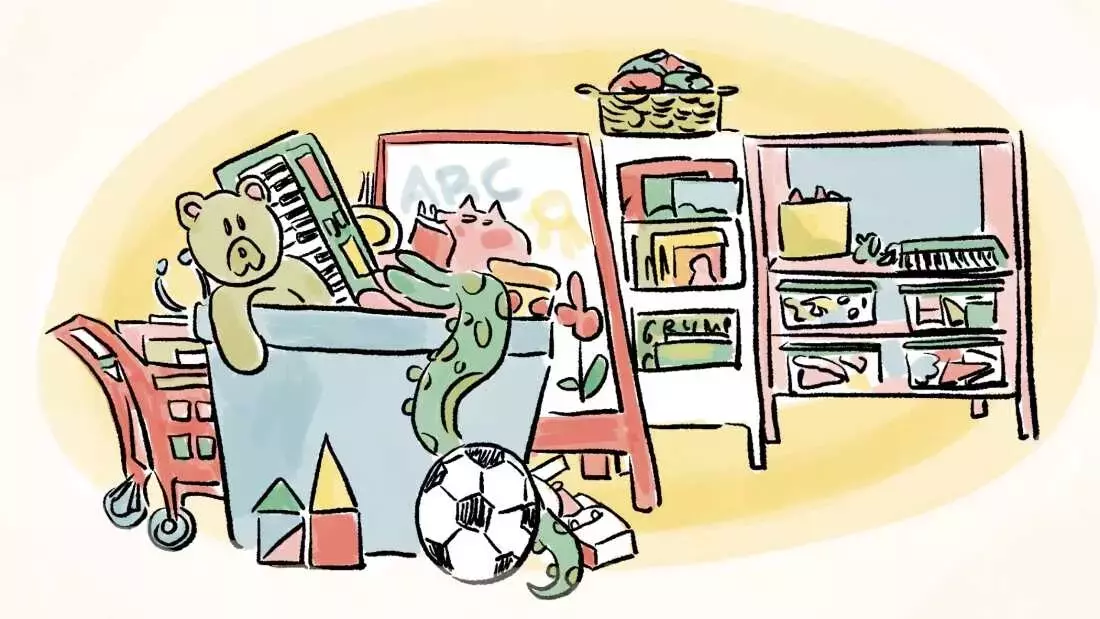
In households with children, maintaining order amidst a constant influx of toys, clothes, and various items can often feel like an insurmountable challenge. This article provides comprehensive guidance on effectively decluttering and organizing children's possessions, promoting a more tranquil and functional living space. Inspired by the insights of psychotherapist and author Denaye Barahona, the philosophy centers on reducing excess to enhance family quality time and foster creativity in young ones.
Barahona, a mother of two and author of 'Simple Happy Parenting: The Secret of Less for Calmer Parents and Happier Kids', advocates for a minimalist approach. She highlights that a less cluttered environment allows families to concentrate on more significant aspects of life. Scientific studies, she notes, suggest that children in environments with fewer playthings tend to exhibit greater inventiveness and engagement. Thus, managing the volume of items is not merely about tidiness but about cultivating a conducive atmosphere for development.
One foundational strategy involves delineating 'active' and 'storage' zones within the home. Active areas, such as frequently used spaces, should only house items in regular use. Seasonal clothing or less-used toys, for instance, can be kept in designated storage areas like under-bed drawers, to be rotated as needed. This systematic segregation helps in maintaining immediate living spaces clear and organized.
For younger children, the use of transparent, shallow containers for toys is recommended. This allows kids to easily spot what they are looking for, thereby minimizing the tendency to empty entire bins in search of a specific item. Visual accessibility to toys contributes significantly to reducing mess and encouraging children to put things back in their proper places.
Another effective technique is the rotation of toys. By regularly cycling toys in and out of play areas, parents can reduce visual overload and prevent children from becoming overwhelmed by too many choices. This method can also reignite interest in forgotten toys. However, Barahona acknowledges that implementing and maintaining a consistent toy rotation schedule requires dedicated effort and planning from parents.
The emotional aspect of decluttering is also addressed, particularly regarding donations. Barahona suggests reframing the act of donating as 'sharing the love'. This shift in perspective helps families view the departure of items not as a loss, but as an opportunity for those items to benefit other children. For example, considering whether a jacket should remain in storage for decades or be worn by a child in need can make the decision to donate much easier.
Preventing the recurrence of clutter after a significant decluttering effort is crucial. Barahona advises families to critically assess new purchases. Before acquiring new items, it’s important to consider if it's a genuine need, a replacement, or simply a desire. Opting for experiences over physical possessions, such as a family outing instead of a new toy, can be a valuable alternative to avoid re-cluttering. This mindful consumption helps sustain a simpler lifestyle.
For children who struggle with keeping their play areas tidy, Barahona suggests scaling back the number of items available to them. If a child consistently leaves a mess, it might indicate an excess of toys or a developmental stage where they are not yet capable of managing a large volume of possessions. For example, a child passionate about Pokémon cards might be asked to select a limited number to keep in an accessible drawer, with the remainder stored away until they demonstrate greater responsibility.
Regarding children's artwork, a common source of accumulated items, Barahona offers a practical solution: designate a single box for storing all artwork. When this box becomes full, parents should review its contents, keeping only pieces that hold significant meaning. This disciplined approach ensures that cherished memories are preserved without allowing artwork to overwhelm the home.
Effectively managing children's belongings goes beyond mere tidiness; it's about fostering an environment that supports creativity, responsibility, and family well-being. By adopting thoughtful strategies like creating defined spaces, rotating items, and mindful consumption, families can transform chaotic areas into harmonious and stimulating environments, truly making 'less is more' a guiding principle for a happier home.