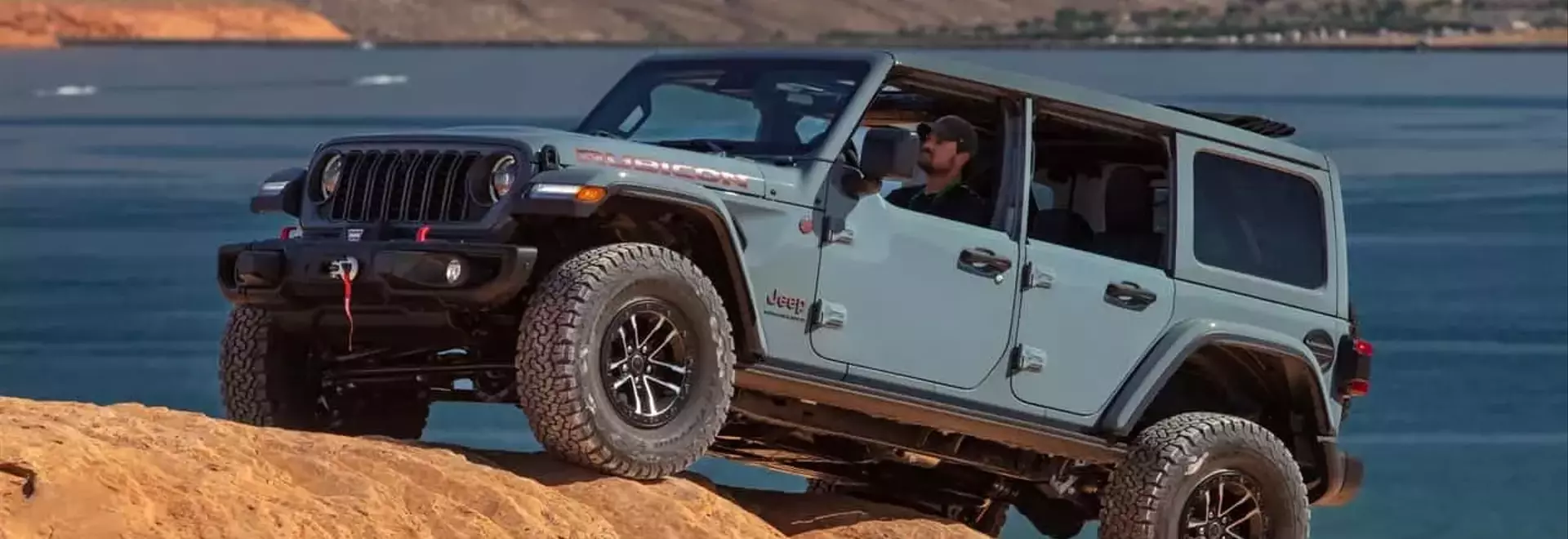
Jeep Recalls Over 1 Million Vehicles Due to Fire Hazard
Jeep has initiated a significant recall affecting approximately 1.1 million Wrangler and Gladiator vehicles spanning model years 2021 through 2025. The core concern centers on a potential fire hazard originating from a defect in the electric-hydraulic power steering pump (EHPSP) system. Specifically, an improperly manufactured electrical connection within the EHPSP header can experience increased resistance, leading to overheating and, consequently, a risk of fire. This widespread recall highlights the critical importance of electrical component integrity in modern vehicle systems and the potential dangers even seemingly minor manufacturing flaws can present to vehicle safety and owner well-being. Owners are being strongly advised to park these affected vehicles outdoors as a precautionary measure until the necessary repairs can be performed.
The journey to identifying this serious defect was protracted, with Stellantis, Jeep’s parent company, initially investigating the issue in May 2023. This initial probe concluded that the low incidence rate did not pose an unreasonable safety risk. However, a resurgence in reported incidents prompted a re-evaluation in August 2024, followed by an investigation by the National Highway Traffic Safety Administration (NHTSA). Through rigorous testing, including CT scans and X-rays, Stellantis finally pinpointed the root cause in April 2026: a loose electrical connection. This iterative process underscores the complexities of modern automotive diagnostics and the persistent efforts required to ensure vehicle safety, even when issues are not immediately apparent or widespread.
Addressing the Fire Risk in Jeep Models
Jeep has announced a recall impacting over one million Wrangler and Gladiator units from 2021 to 2025 due to a fire risk. This critical safety measure is prompted by a defect in the electrical connection of the electric-hydraulic power steering pump (EHPSP). The manufacturing process for the EHPSP header inadvertently led to an increased insertion force during assembly, potentially causing the terminals to spread. This can result in a compromised electrical connection, leading to elevated electrical resistance and, critically, overheating that poses a significant fire hazard. Owners of these vehicles are being urged to exercise caution by parking their vehicles outside and away from structures until the necessary repairs can be performed to mitigate this danger.
The safety advisory encompasses all 2021-2025 model year Wrangler and Gladiator vehicles. The identified fault, a high electrical resistance in the EHPSP, can manifest as a loss of power steering or trigger a “Service Power Steering” diagnostic warning. Stellantis, the manufacturer, began investigating this issue in May 2023. Initially, the investigation concluded that the low rate of incidents did not warrant an immediate recall. However, an increase in reported problems led to the re-opening of the investigation in August 2024. The National Highway Traffic Safety Administration also launched its own inquiry into engine compartment fires in affected models. After extensive testing, including bench tests, CT scans, and X-rays, Stellantis confirmed in April 2026 that a loose electrical connection was indeed the primary cause. Owners can expect to receive official notifications regarding the recall in July, detailing procedures for inspection and repair or replacement of the faulty components.
Stellantis’s Diligent Recall Process
Stellantis, the parent company of Jeep, undertook a comprehensive and extended investigation to identify the underlying cause of the fire risk in its Wrangler and Gladiator vehicles. This demonstrates a commitment to resolving complex safety issues, even when initial assessments do not immediately reveal a widespread problem. The journey from initial investigation to pinpointing the manufacturing defect involved multiple phases of scrutiny and collaboration, highlighting the intricate process automakers navigate to ensure the safety and reliability of their products. This meticulous approach ultimately led to the identification of a subtle yet dangerous flaw in the electrical system, preventing potentially more severe consequences.
The recall process for the affected Jeep Wrangler and Gladiator models showcases Stellantis's dedication to product safety. The company's initial investigation in May 2023 concluded that the problem's low occurrence rate did not present an "unreasonable risk." However, the subsequent increase in incidents prompted the reopening of the investigation in August 2024, coinciding with the National Highway Traffic Safety Administration's inquiry into similar engine compartment fires. Stellantis invested significant resources, conducting rigorous bench testing, CT scans, and X-rays between June 2025 and April 2026 to thoroughly understand the defect. This exhaustive process ultimately confirmed that a loose electrical connection in the power steering pump's header, caused by an increased insertion force during manufacturing, was the root cause. This demonstrates a proactive stance in addressing potential dangers, even when the exact mechanism of failure requires extensive research, and ensures that owners will receive timely remedies to enhance vehicle safety.