Global Markets React to U.S.-Iran Diplomatic Deadlock
Global financial markets experienced notable shifts on Sunday as a proposed peace accord between the United States and Iran stalled. The failure to reach a resolution led to an immediate increase in oil prices, while stock futures indicated a downward trend. Concurrently, discussions emerged within the U.S. administration regarding potential measures to alleviate the impact of elevated fuel costs on consumers.
This market reaction underscores the interconnectedness of geopolitical events and the global economy. The ongoing tensions between the U.S. and Iran, particularly concerning critical shipping routes, continue to be a significant factor influencing energy markets and investor confidence. As the situation evolves, stakeholders are closely monitoring diplomatic efforts and their potential implications for economic stability worldwide.
Geopolitical Tensions Drive Market Volatility
The global financial landscape reacted swiftly to the news of a failed peace agreement between the United States and Iran, demonstrating the profound impact of geopolitical developments on market stability. Sunday's trading saw a notable increase in oil prices, reflecting heightened concerns about supply disruptions, particularly given Iran's historical influence over key maritime routes. Simultaneously, stock futures registered a slight decline, indicating investor apprehension and a shift towards more cautious positions in response to the perceived increase in international political risk. This immediate market fluctuation highlights how deeply intertwined global politics are with economic indicators, as uncertainties stemming from international relations can trigger widespread financial adjustments and affect various sectors, from energy to consumer markets.
The diplomatic breakdown between the U.S. and Iran, characterized by statements from President Trump deeming Iran's proposals "totally unacceptable," has injected a fresh wave of uncertainty into the global economic outlook. While the specifics of Iran's offer were not publicly detailed, previous discussions hinted at a short-term agreement aimed at a 30-day ceasefire and the cessation of Iran's blockade of the Strait of Hormuz, a crucial artery for oil and gas shipments. The inability to finalize such an agreement has reignited fears of prolonged instability in the Middle East, directly impacting global energy prices and overall market sentiment. This situation underscores the delicate balance between international diplomacy and economic stability, as breakdowns in negotiations can lead to rapid and significant market recalibrations, affecting both major indices and everyday consumer costs, particularly in the energy sector.
Energy Costs and Policy Responses in the U.S.
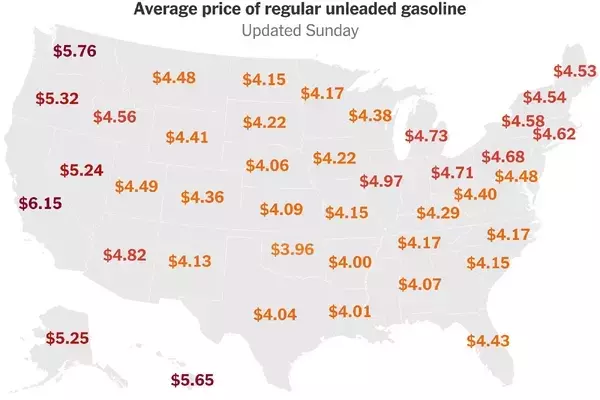
In the wake of persistent high gasoline prices across the United States, the U.S. administration has begun exploring potential policy interventions to ease the financial burden on consumers. The recent diplomatic deadlock between the U.S. and Iran has exacerbated concerns about energy costs, further pushing discussions on measures like temporarily suspending the federal gas tax. This tax, which currently adds 18.4 cents to every gallon of gasoline sold, represents a significant component of the overall pump price. Energy Secretary Chris Wright indicated the administration's openness to such a proposal, signaling a proactive stance to address the economic fallout from global energy market volatility and provide some relief to American households struggling with increased fuel expenses.
While crude oil prices experienced an uptick due to geopolitical tensions, gas prices at the pump showed a marginal decline on Sunday, with the national average for regular gasoline falling by about a penny to $4.52 per gallon. Despite this minor dip, consumers continue to face significantly higher costs, with prices remaining approximately 52 percent higher since the onset of recent international conflicts. The movement of gasoline prices typically lags behind changes in crude oil costs by a few days, suggesting that any recent increases in crude might soon reflect at the pump. Furthermore, the average price of diesel remained stable at $5.65, also marking a substantial 50 percent increase since the beginning of the conflict, underscoring the broad impact on transportation and logistics sectors. These figures highlight the ongoing financial pressures on consumers and businesses, prompting the administration to consider various fiscal strategies to mitigate the impact of fluctuating global energy markets.