Gene Therapy Offers Hope for Lasting Hearing Restoration in Deafness
A groundbreaking experimental gene therapy is demonstrating remarkable success in restoring auditory function to individuals afflicted with a rare congenital form of hearing impairment. Recent findings indicate that this innovative treatment is not only safe but also highly efficacious, offering a potential long-term solution for those born with specific genetic defects causing profound deafness. These results mark a significant advancement in the field of audiology and genetic medicine.
This comprehensive investigation represents the most extensive and prolonged study conducted to date on gene therapy's application in combating hearing loss. The findings provide compelling new evidence supporting this therapeutic approach as a viable means to reinstate hearing capabilities for deaf individuals. Dr. Zheng-Yi Chen, a distinguished associate scientist at Mass Eye and Ear in Boston and lead author of the study published in the prestigious journal Nature, characterized the outcomes as truly extraordinary. He emphasized the novelty of this treatment option for genetic hearing loss, heralding it as a transformative moment for the entire medical community.
The current study's conclusions reinforce and expand upon a previous, smaller-scale study published two years prior. These consistent results are echoed by several other research teams globally, who are also exploring similar gene therapies for various forms of inherited deafness. Notably, a treatment developed by Regeneron Pharmaceuticals is on the verge of seeking approval from the Food and Drug Administration, potentially becoming the inaugural gene therapy for deafness to achieve this milestone. This surge in advancements is stimulating increased interest in early genetic screening for deafness in newborns, with the aim of implementing interventions as early as possible to maximize therapeutic benefits.
Dr. Lawrence Lustig, who chairs the Department of Otolaryngology-Head & Neck Surgery at Columbia University's medical school, highlighted the profound impact of being able to restore natural hearing, calling it a 'game changer' for the medical field. While the specific type of deafness addressed in this study, autosomal recessive deafness 9 (DFNB9), is uncommon, affecting approximately 50 infants annually in the U.S., its success is inspiring researchers to investigate similar strategies for other rare forms of inherited deafness, which collectively represent a major contributor to pediatric hearing loss. Furthermore, there is growing optimism that gene therapy could eventually offer treatments for more prevalent forms of hearing impairment linked to aging and exposure to loud noise. Dr. Lustig noted that numerous research groups are now contemplating clinical trials for these widespread conditions.
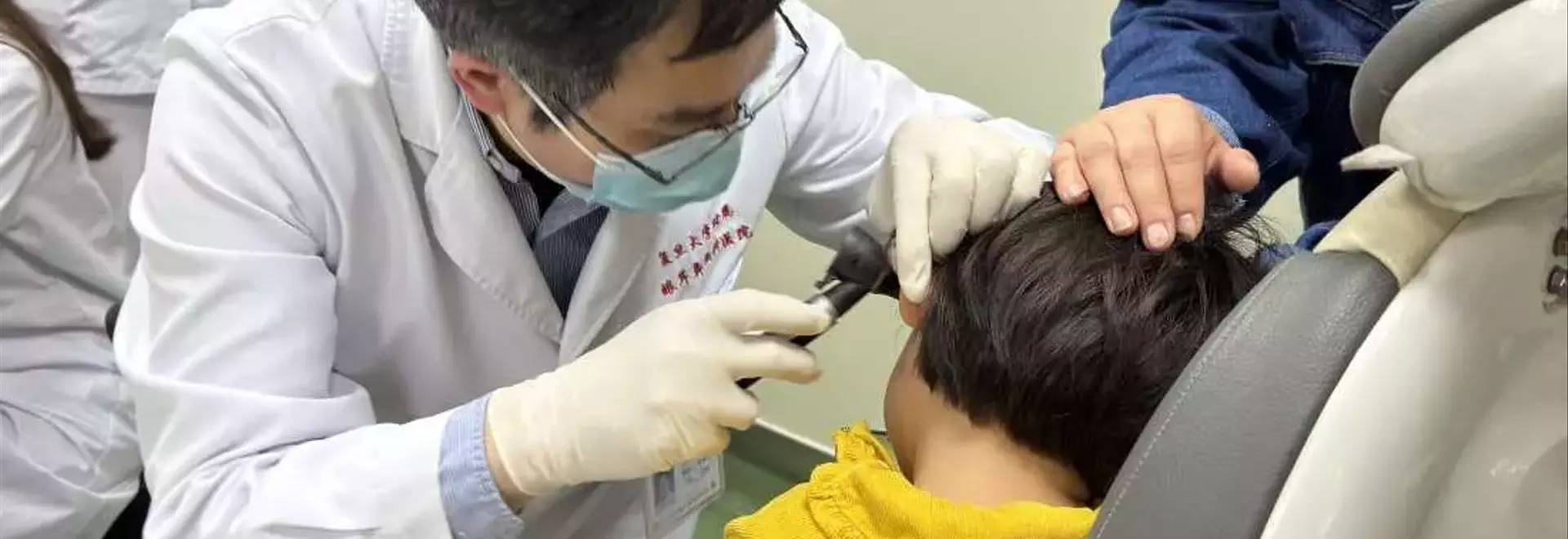
The study, conducted by Mass Eye and Ear, enrolled 42 children and adults diagnosed with DFNB9. This condition stems from mutations in the OTOF gene, which is crucial for producing otoferlin, a protein essential for the hair cells within the inner ear to transmit sound signals to the brain. Children born with this mutation experience complete deafness, unable to perceive even the loudest sounds. Researchers from Mass Eye and Ear and Fudan University in China administered an adenovirus, engineered to carry a healthy, split version of the OTOF gene, directly into the ears of the patients. The goal was to introduce the missing genetic material, enabling the cells to produce functional otoferlin and effectively convert sound into neural signals.
This innovative therapeutic approach yielded positive results in approximately 90% of the participants, who ranged in age from infants under one year old to adults up to 32 years. Within weeks of treatment, patients began to experience auditory perception, with hearing capabilities generally continuing to improve over a period of about six months. The degree of hearing restoration varied among individuals, with many achieving near-normal hearing. For some, these benefits have persisted for over two years, allowing them to hear even whispers and significantly enhancing their ability to learn spoken language and communicate effectively. Dr. Chen expressed immense excitement about the outcomes, suggesting that this could be a 'one-and-done' treatment with lifelong transformative potential for patients. While the therapy appears to be very safe, ongoing long-term monitoring will be crucial to confirm its sustained safety and enduring efficacy.