The Financial Journey to a Comfortable Solo Retirement
Secure Your Golden Years: A Comprehensive Guide to Solo Retirement Planning
Understanding the Financial Requirements for a Comfortable Solo Retirement
Achieving a comfortable retirement as a single individual in the U.S. necessitates careful financial planning. While surveys might suggest higher figures, a realistic estimate for a 65-year-old retiring alone stands at roughly $898,000 in savings. This figure, derived from extensive analysis of economic and demographic data, reflects the typical expenses encountered during post-employment life. It's important to note that this amount is not uniform across the nation, with significant differences depending on where one chooses to settle down.
The Economic Landscape of Solo Retirement: Annual Expenses and Social Security Contributions
The average single American aged 65 or older incurs annual expenditures of approximately $59,600. This encompasses not just basic necessities like housing and groceries, but also discretionary spending on leisure activities such as entertainment, dining out, and travel, which are integral to a fulfilling retirement. Social Security benefits play a crucial, yet partial, role in offsetting these costs. With an average retired-worker benefit of about $23,700 per year, a substantial gap remains that must be covered by personal savings. Utilizing a conventional 4% annual withdrawal rate from retirement funds, a nest egg of about $898,000 would be needed to generate the additional income required, in contrast to the approximately $1.16 million typically needed for a couple.
Geographic Variations in Retirement Costs: Where Your Savings Go Further
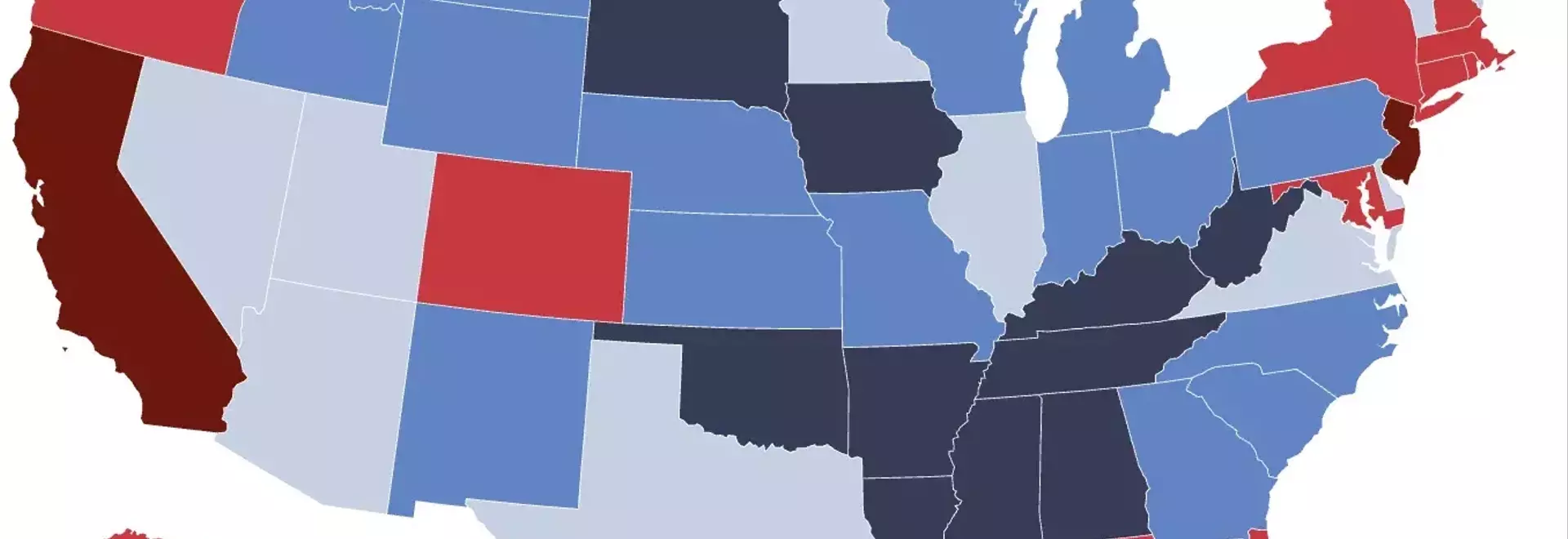
The cost of retirement for a single person is heavily influenced by their chosen place of residence. The financial demands for a comfortable retirement can range from approximately $644,000 in the most budget-friendly states to over $1 million in the priciest. States like New Jersey, Hawaii, California, and the District of Columbia top the list for expenses, each requiring over $1 million in savings. Conversely, regions in the Plains and Appalachia, such as North Dakota, Arkansas, Mississippi, West Virginia, and Iowa, offer more affordable retirement options, with required savings hovering around $644,000 to $667,000. These differences are largely driven by housing costs, which constitute about 27% of a retiree's annual spending, ranging from $7,000 in West Virginia to $19,000 in California. The cost of other goods and services also contributes to regional disparities, with some states being significantly more expensive or cheaper than the national average.
Methodology Behind Retirement Cost Projections
Our comprehensive analysis provides a transparent framework for understanding retirement expenses, acknowledging that individual costs can vary based on lifestyle and location. The term "comfortable" retirement in this context refers to meeting the average spending patterns of single Americans aged 65 and older, including discretionary items. This analysis excludes state income taxes on retirement income, long-term care expenses, and potential property tax exemptions for seniors, which could further impact individual financial needs. The calculations were based on four key components using federal datasets from 2024: housing costs (considering mortgage, ownership, or rent), non-housing expenditures (adjusted for regional price differences), Social Security benefits (subtracting the national average from total spending), and the required nest egg (calculated using the 4% safe withdrawal rule). This detailed approach aims to provide a robust estimate for retirement planning while emphasizing the importance of personalized financial assessments.