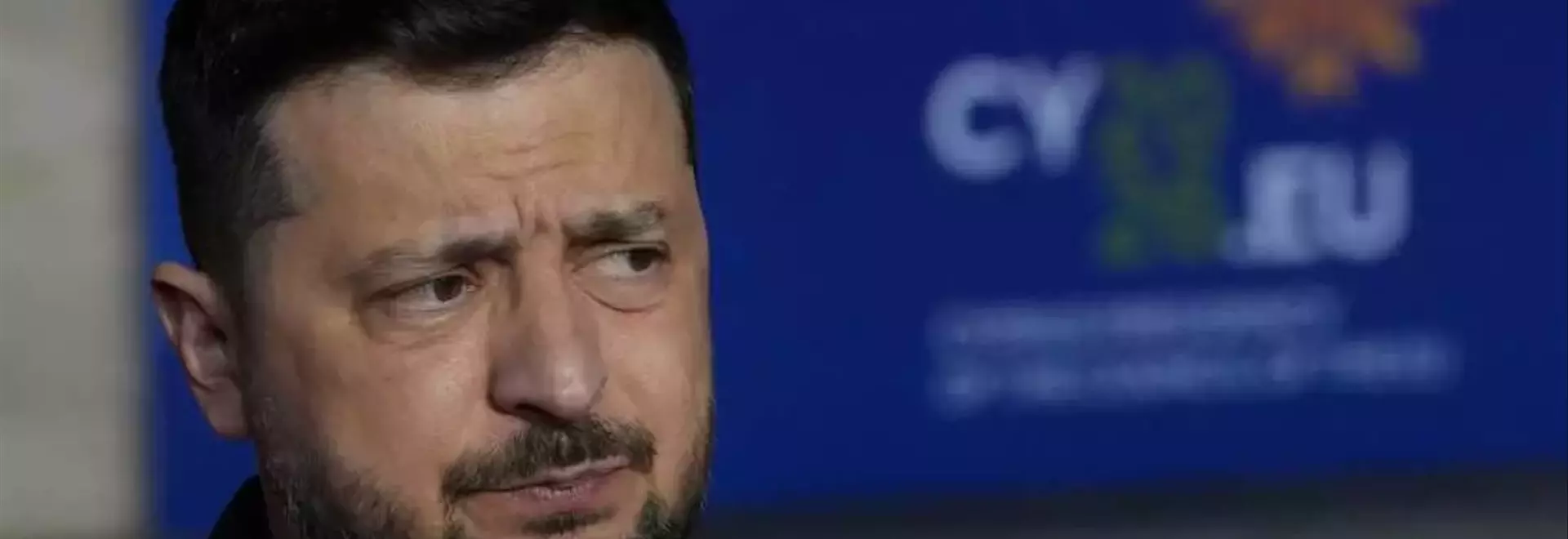
EU Backs Ukraine with €90 Billion Loan After Hungarian Veto Lifted
United for Ukraine: A New Chapter in European Solidarity
Unlocking Vital Financial Support for Ukraine's Resilience
Following a protracted period of negotiation and a critical shift in stance from Hungary, the European Union has formally approved a substantial financial assistance package for Ukraine. This initiative, valued at €90 billion (approximately $106 billion), is earmarked to bolster Ukraine's economic stability and reinforce its military capabilities over the next two years. The breakthrough emerged after the resumption of oil deliveries to Hungary and Slovakia via a key pipeline, effectively resolving a political impasse that had stalled the aid.
Strengthening Measures Against Russia: New Sanctions Implemented
In conjunction with the aid package, the EU has also rolled out a fresh set of sanctions targeting Russia. These punitive measures, initially prepared months prior and intended for an earlier release, were delayed due to objections from Hungary and Slovakia. The newly enacted sanctions are designed to further impede Russia's ability to fund its military operations in Ukraine.
Resolution of the Oil Pipeline Dispute: A Catalyst for Agreement
A significant hurdle was cleared with the restoration of Russian oil flow to Hungary and Slovakia, which had been interrupted for several months. The disruption was attributed to pipeline damage, which Ukrainian officials blamed on Russian drone strikes. Both nations confirmed that oil deliveries have now recommenced, paving the way for broader EU cooperation.
Ukraine's Urgent Need for Economic and Military Assistance
The financial lifeline is critical for Ukraine, which faces severe economic challenges and an ongoing need to sustain its defense against Russian forces. Hungary's previous obstruction of the December aid agreement had caused considerable friction within the EU. With the current approval, the funds are anticipated to be disbursed within the coming weeks and months, providing timely relief.
European Leaders Affirm Commitment and Future Integration
European Council President António Costa hailed the agreement as a fulfillment of promises, emphasizing the immediate priority of advancing Ukraine's aspirations for EU membership. Ukrainian President Volodymyr Zelenskyy expressed gratitude for the support, highlighting its importance for strengthening the military and boosting national production.
The Druzhba Pipeline: A Diplomatic Turning Point
The political clearance for the loan package was directly linked to the renewed flow of Russian oil through the Druzhba pipeline to Hungary and Slovakia. Slovak Prime Minister Robert Fico welcomed this development, expressing hopes for a more stable relationship between Ukraine and the European Union.
Hungary's Stance and Allegations of Political Maneuvering
Hungarian energy company MOL confirmed the receipt of crude oil, signaling the end of a nearly three-month hiatus. While Ukraine and most European nations advocate for reduced reliance on Russian oil, Hungary and Slovakia remain dependent on these imports. Hungarian Prime Minister Viktor Orbán, who recently experienced an electoral defeat, had accused Ukraine of intentionally delaying repairs—a claim denied by President Zelenskyy. Fico further suggested that the pipeline issue was exploited in a broader geopolitical struggle.
Navigating EU Decision-Making: Calls for Reform
The prolonged dispute underscored the complexities of EU decision-making, where unanimous consent can often lead to national interests overriding collective action. Several high-ranking officials have since advocated for a shift towards majority voting to streamline the process. Initial plans to use frozen Russian assets as collateral for the loan were also thwarted by Belgium, where the majority of these assets are held.
The Path to Agreement: Overcoming National Interests
In December, the Czech Republic, Hungary, and Slovakia had agreed to allow other EU members to borrow funds from international markets, provided they were not directly involved in the scheme. However, Orbán later reneged on this agreement amid the pipeline dispute and prior to a significant electoral loss, causing further consternation among the remaining 24 member states.
Expanded Sanctions Against Russia: Targeting Economic Pillars
The EU's sustained efforts since February to implement additional sanctions against Russia were also impeded by Hungary and Slovakia during the oil dispute. The latest round of sanctions specifically targets over 40 vessels suspected of illicitly transporting Russian oil, aiming to disrupt a key source of revenue for Russia's economy.
Financial and Individual Sanctions Intensified
Oil revenues are crucial for Russia's economy, enabling the government to finance its military without severely impacting domestic inflation or currency stability. The new sanctions also target several banks and prohibit Europeans from using Russian cryptocurrencies. Furthermore, asset freezes have been imposed on approximately 60 additional entities, including companies, government bodies, and banks, expanding the existing list of over 2,600 Russian officials and entities already under sanction, such as President Putin and his associate