The Elusive Quest for Tariff Refunds: A Small Business Owner's Struggle
The story of Richard Brown, a dedicated small business owner from Ohio, offers a compelling look into the labyrinthine process of obtaining tariff refunds. After a pivotal Supreme Court decision invalidated numerous tariffs imposed during the Trump administration, businesses were hopeful for reimbursement of billions of dollars. However, Brown's personal audio diary, shared with NPR, reveals a stark reality: for many small importers, the journey to reclaim their money is fraught with complexities, technical hurdles, and a profound sense of frustration, suggesting that a significant portion of these promised refunds may never reach their intended recipients.
Small Business Owner's Odyssey for Tariff Reimbursements Unveils Systemic Challenges
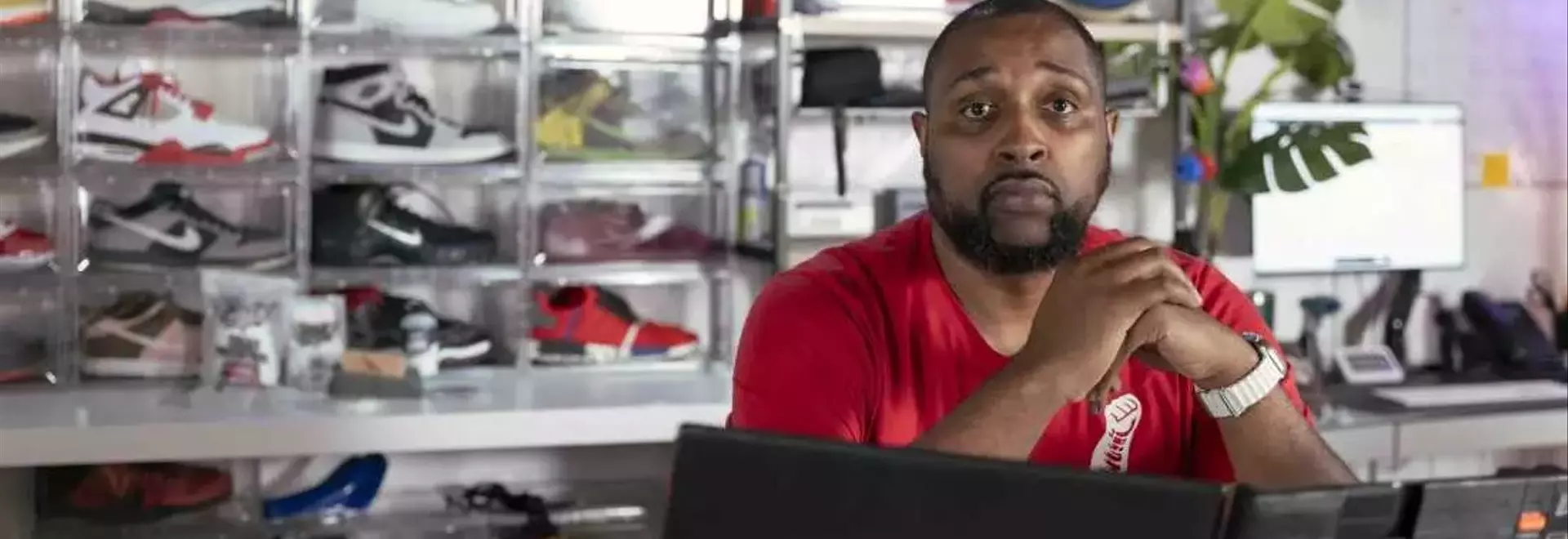
In a surprising turn of events, on a crisp February day in 2026, the Supreme Court delivered a ruling that sent ripples through the American business community: a substantial portion of tariffs initiated by former President Trump was deemed unlawful. For Richard Brown, the proprietor of Proof Culture, a company specializing in sneaker accessories based in Ohio, this news arrived with an initial rush of elation, nearly causing him to overlook his exit from a bagel shop. His joy, however, quickly morphed into a profound apprehension about the practicalities of recovering the illegally collected duties. Brown's enterprise, a modest operation run from his Ohio residence with the assistance of his friend Erron Combs in Virginia and occasional help from his father, found itself in a bureaucratic quagmire.
While larger corporations like Costco and Revlon proactively sought legal recourse to secure their claims, Brown lacked similar resources, being neither equipped with legal teams nor customs brokers. His company, which had recently expanded into importing from China and Mexico, faced an unexpected "express master class in importing, tariff edition." The estimated $25,000 in tariff refunds, representing approximately 10% of Proof Culture's annual revenue, was a substantial sum that could significantly bolster his business. Yet, the path to recovery proved daunting. The initial government response suggested that refunds could take years, a timeline exacerbated by the reintroduction of new tariffs under different legal pretexts.
Brown meticulously documented his struggle, recording voice memos that vividly captured his escalating challenges. He spent weeks tirelessly digitizing stacks of old purchase orders, developing an AI tool to manage shipping invoices, and making unsuccessful attempts to secure missing documentation from his Chinese freight-forwarders. His frustration peaked with the announcement of an online portal for refund claims in early March 2026, which, while alleviating the need for lawsuits, introduced a new layer of complexity: mastering an unfamiliar customs system. Brown lamented the disproportionate burden placed on small businesses, stating, "This wasn't my problem. And now you're telling me if I want my money back, figure it out. That sucks."
As the April 20 launch date for the refund portal approached, U.S. Customs optimistically reported that the new system was poised to process the majority of refund-eligible shipments. However, this optimism largely overlooked the plight of small importers like Brown. Many faced technical errors, struggled to access the portal, or encountered prolonged unresponsiveness from customs support. Trade experts at the libertarian Cato Institute highlighted these systemic flaws, noting that the cumbersome process risked shortchanging thousands of American companies by billions of dollars. By April 26, the agency reported rejecting over a third of filed claims due to technical or data discrepancies, underscoring the formidable barriers. Despite these setbacks, Brown and Combs remain committed to pursuing their claim, even as Brown frequently questions whether the extensive effort will ultimately be worthwhile, likening himself to a firefighter constantly battling new blazes.
The protracted and convoluted process of tariff refunds, as illuminated by Richard Brown's experience, brings into sharp focus the often-overlooked burdens placed on small businesses by government policies. While the intention behind refunding illegally collected tariffs may be just, the implementation reveals a significant disconnect between policy-makers and the operational realities of small enterprises. This situation not only highlights the need for simplified, more accessible bureaucratic procedures but also underscores the broader implications for economic equity. When large corporations can easily navigate legal and administrative channels to reclaim funds, while small businesses are mired in technicalities and a lack of resources, it creates an uneven playing field. This narrative serves as a powerful reminder that policy design must consider the diverse capacities of all businesses, ensuring that justice is not only promised but also practically attainable for everyone, regardless of their scale or resources. Ultimately, Brown's journey is a call to action for greater transparency, efficiency, and fairness in governmental processes affecting the economic backbone of nations—its small businesses.