Egyptian Cotton: Weaving a Future of Traceability and Sustainability
Egyptian cotton has long been synonymous with luxury, often hailed as 'white gold' or 'Egypt's fourth pyramid'. Its esteemed status is built upon its extra-long-staple fibers, a rare commodity constituting only about 1% of the world's total cotton output. These exceptional fibers are meticulously spun into threads that are finer, smoother, and more resilient, cementing Egyptian cotton's position in premium apparel, bedding, and high-end fabrics. However, the future success of Egyptian cotton demands more than just its historical prestige. European brands, increasingly seeking manufacturing and material sourcing closer to home, are confronted with stringent new traceability regulations. Directives like France's Life Cycle Assessment, the EU's Corporate Sustainability Reporting Directive (CSRD), and the forthcoming digital product passports (DPPs) are creating an urgent need for verifiable information regarding fiber origins, processing methods, and environmental impact.
While theoretically well-positioned to meet these demands due to its historical emphasis on provenance and quality, Egyptian cotton has faced significant challenges over the past decade. Post-2011 political and regulatory shifts weakened industry oversight, and a notable controversy between 2014 and 2016 involving an Indian company selling mislabeled cotton to a US retailer eroded consumer trust in the fiber's name. Today, the pressure stems from a renewed focus on nearshoring, driven by the desire for shorter supply chains and improved oversight, particularly as European brands explore North Africa amidst Middle Eastern instability, oil-related cost increases, and inflation in Turkey. Egypt aims to leverage this moment with a government-backed textile revival strategy, targeting 2030 for completion. This ambitious plan seeks to restore Egyptian cotton's historical prominence and secure its future in a rapidly evolving global market, though numerous obstacles remain.
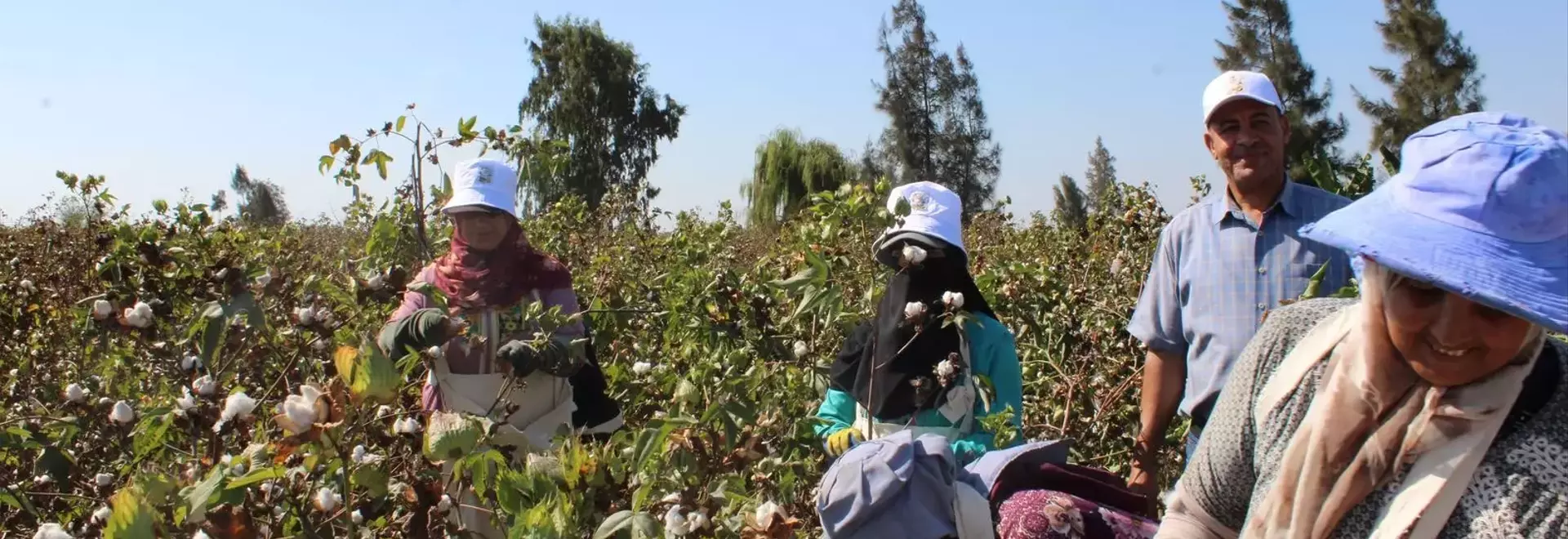
A primary challenge for Egyptian cotton is adapting to a more competitive market where its heritage value must be reinforced with tangible proof of origin and quality. Other regions like Peru and India produce comparable long-staple cotton, while Caribbean Sea Island cotton actively positions itself as a luxury alternative. Brands like The White Company, deeply invested in Egyptian cotton for their bed linen, have proactively addressed transparency issues. Four years ago, they partnered with CottonConnect to establish direct relationships with over 400 Egyptian farmers, mapping the supply chain from cooperatives to ginners and manufacturers. This initiative, aligning with upcoming EU regulations, highlights a broader industry shift towards greater visibility and accountability, though such detailed mapping remains uncommon. The cotton supply chain is also vulnerable to climate change, impacting harvest times, pest patterns, yield, and water availability. Experts emphasize granular, farm-level interventions—such as optimal planting and irrigation, soil improvement, and reduced insecticide use—to build resilience. Traceability solutions like CottonConnect's TraceBale system, combining digital and DNA-based technologies, are crucial for tracking cotton from farm to finished product and identifying contamination risks, a persistent issue exacerbated by traditional hand-picking methods.
The critical question is whether these farm-level efforts can be expanded to transform the entire Egyptian cotton sector. Hany El Habibi, chair of the Egyptian Textile Development Association, envisions a revival that echoes Egypt's historical ambition to move beyond raw cotton exports towards a vertically integrated industry. With over 90% of Egyptian cotton still exported as raw material, the country plans a $1 billion investment in machinery and infrastructure to produce yarns, fabrics, and finished products domestically. This vision rests on three pillars: authentication, traceability, and industrial upgrading. Authentication, managed by the Cotton Egypt Association, involves licensing, invoice verification, sample testing, and the development of a national digital product passport system. Traceability initiatives include creating "ownership certificates" for farmers, linking national IDs, land data, and agricultural practices to a blockchain system. Industrial capacity, particularly in dyeing and finishing, along with labor skills and SME integration, needs significant strengthening. Egypt's appeal as a sourcing base is growing due to lower costs compared to Turkey and preferential access to European markets. However, some caution against viewing nearshoring as a standalone sustainability solution, warning of potential "problem-shifting" where one issue is resolved at the expense of others. Ultimately, the future of Egyptian cotton will depend not on past glory, but on verifiable evidence of its quality, ethical sourcing, and sustainable practices, rebuilt through collective action and rigorous oversight at every stage of the supply chain.