The Culinary Divide: Shallots Versus Onions
Elevate Your Cooking: Mastering the Allium Spectrum
Unraveling the Allium Family: Shallots and Onions Explained
The vast world of alliums encompasses a range of pungent and aromatic vegetables, with onions and shallots standing out as particularly indispensable. These ingredients are the cornerstone of countless savory preparations, from classic French mirepoix to vibrant Asian stir-fries. As Kate Winslow, co-author of "Onions Etcetera," aptly notes, our culinary landscape would be far less flavorful without them. Alliums possess a remarkable versatility, offering everything from intense sharpness to subtle sweetness, making them truly unique in the pantry.
Exploring the Core Distinctions Between Shallots and Onions
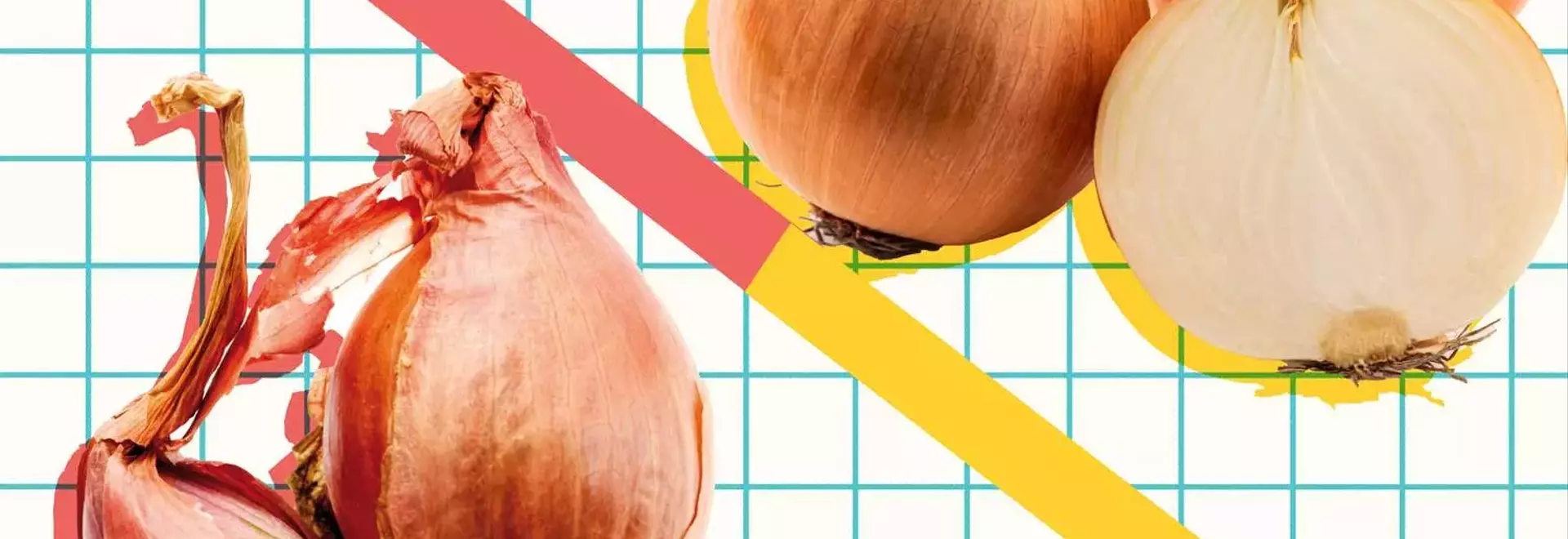
While often used interchangeably, shallots and onions possess fundamental differences that set them apart. Botanically, common onions develop as single bulbs, whereas shallots are distinguished by their multi-bulbed growth, resembling smaller, clustered garlic cloves. This structural difference also impacts preparation; shallots' thinner, layered flesh makes them quicker to mince than their larger counterparts.
A Tale of Two Flavors: The Gustatory Nuances
Flavor is another critical differentiator. Onions typically deliver a robust, sulfurous bite when raw and a potent aroma when cooked. Shallots, conversely, offer a milder, sweeter, and more delicate flavor profile, often described as having a hint of garlic. This captivating taste is highly prized by many chefs and cooks for its nuanced complexity.
Texture and Timeliness: How Structure Affects Cooking
The internal structure of shallots and onions also dictates their culinary behavior. Shallots, with their fine, thin layers, tend to soften and integrate seamlessly into dishes much faster than onions. This quick-cooking nature requires careful monitoring to prevent overcooking. Onions, with their thicker and sturdier layers, retain more of their structural integrity during cooking and provide a satisfying crunch when consumed raw.
The Price of Distinction: Economic Considerations
A significant practical difference lies in their market price. Shallots are considerably more expensive than onions, primarily due to their cultivation and harvesting methods. Onions are hardy and can thrive in diverse climates year-round, while shallots demand warmer conditions and often require labor-intensive hand harvesting. These increased production costs are inevitably passed on to the consumer. This price disparity, combined with shallots' historical association with refined French cuisine, may contribute to their perceived higher value.
Optimal Applications: When to Choose Shallots
To justify their higher cost, shallots should be reserved for dishes where their unique qualities can truly shine. Their mild flavor makes them ideal for raw preparations, such as in delicate vinaigrettes, where the harshness of raw onion would be undesirable. When roasted, shallots transform into a meltingly tender and sweet ingredient, perfect as a side dish. They also add a delightful crunchy garnish to Southeast Asian specialties like mie goreng and pork larb, or simply sprinkled over salads.
Optimal Applications: When to Choose Onions
For dishes requiring larger quantities of alliums, onions remain the more practical and economical choice. Yellow onions are particularly versatile, seamlessly blending into the background of soups and stews. Sautéed in butter, they impart a rich, comforting flavor, famously pairing with pierogies. They are also excellent when caramelized or as the star of classic dishes like French onion soup. White or red onions are preferred for their pungent bite in raw applications, such as pico de gallo or as a taco topping. Both can be pickled for a tangy addition to salads and sandwiches, though pickled shallots will offer a softer texture.
Interchangeability: Strategic Substitutions
Shallots and onions can be substituted for one another, but with some considerations. Shallots can often replace small amounts of onion, especially when a milder flavor is desired or when avoiding excessive chopping. For recipes calling for substantial quantities of onion, using shallots can become labor-intensive and costly. Conversely, when shallots are unavailable, a red onion, potentially combined with a touch of garlic or a sweet onion like Vidalia, can approximate the flavor, though the intensity will be greater.
The Indispensable Allium: A Culinary Conclusion
In essence, yellow, white, and red onions, with their robust flavor and single-bulb structure, are versatile and affordable staples for any pantry. Shallots, characterized by their delicate flavor and multi-clove formation, are best utilized in specific applications like raw preparations, garnishes, or roasting, where their nuanced qualities can truly elevate a dish. While capable of substitution, understanding their individual attributes allows for more deliberate and effective culinary choices. Ultimately, both shallots and onions are indispensable, contributing complex and undeniable allium flavors that are crucial to delicious cooking.