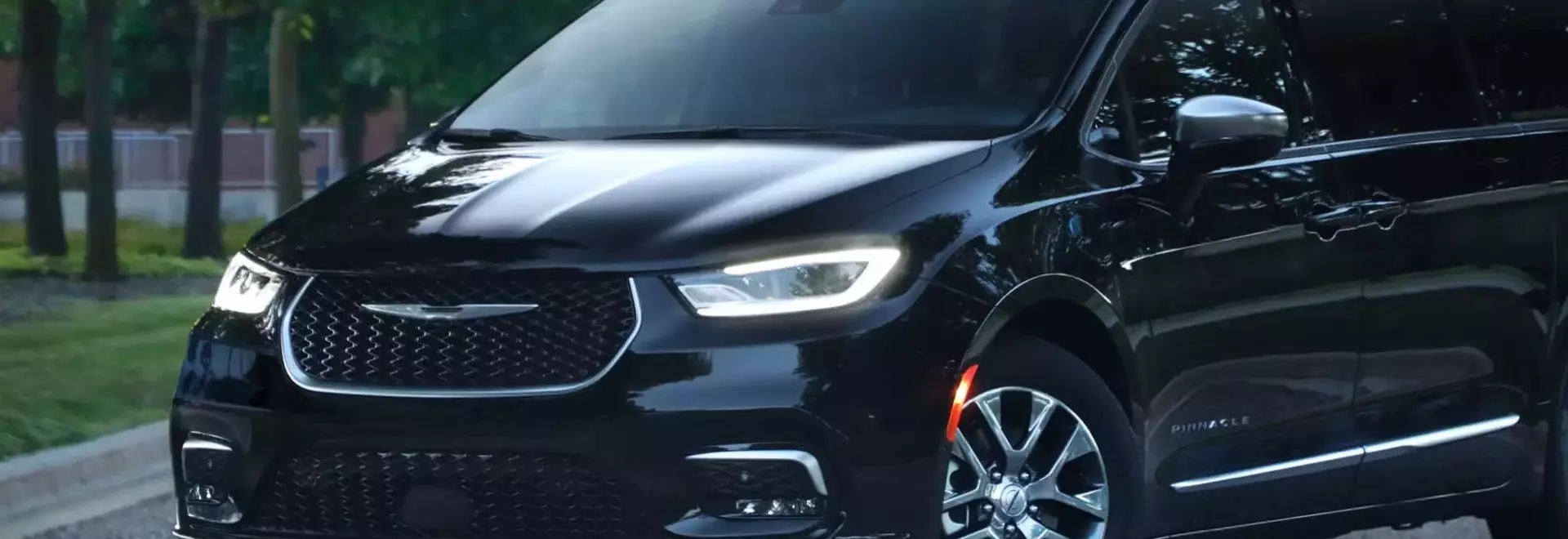
Chrysler Pacifica Hybrid Owners Advised to Park Outdoors Following Battery Fire Incidents
Stellantis faces another hurdle with its plug-in hybrid (PHEV) fleet as a recall impacts over 17,000 Chrysler Pacifica Hybrid minivans. Owners of the affected models, manufactured between 2020 and 2022, are now advised to avoid recharging their vehicles and to park them away from structures due to a potential battery fire risk. This move underscores ongoing safety concerns that have plagued Stellantis' PHEV offerings and comes at a time when the company is already planning to discontinue these models from its North American lineup.
Earlier this year, Stellantis announced its intention to phase out PHEVs in North America starting with the 2026 model year. While initial reports cited a stop-sale order linked to a recall as the reason for this shift, Stellantis later clarified it was part of a broader strategic move. This decision will see the discontinuation of several prominent PHEV models, including the Jeep Wrangler 4xe, Grand Cherokee 4xe, and the Chrysler Pacifica Hybrid, which notably was the sole plug-in minivan available in the U.S. market.
The latest recall for the Pacifica Hybrid is a direct response to a potential defect in the high-voltage battery system. The National Highway Traffic Safety Administration (NHTSA) indicates that the issue may be related to battery cells sourced from a specific assembly line at LG Energy Solution. As a precautionary measure, owners are urged to cease charging their minivans immediately and to ensure they are parked in open spaces, away from buildings or other vehicles, to mitigate any potential fire hazards. This directive is part of what Stellantis terms a “Park Outside” recall.
To address the identified risk, dealerships will implement a software update designed to enhance the monitoring of battery performance and detect any anomalies that could lead to a fire. Furthermore, vehicles will undergo inspections, and any faulty battery packs will be replaced as necessary. Stellantis has also announced an unlimited-year, unlimited-mile warranty extension for owners who receive warning messages related to this defect, aiming to provide reassurance amidst these safety concerns.
This is not an isolated incident for Stellantis' electrified vehicles. Over the past few years, Jeep’s 4xe models have also been subject to scrutiny and recalls due to battery fire risks, affecting more than 320,000 Wrangler 4xe and Grand Cherokee 4xe SUVs. These prior issues prompted similar warnings for owners to avoid charging. The company has also faced legal challenges regarding alleged PHEV defects, with some owners reporting severe incidents such as battery meltdowns, extensive vehicle damage, and prolonged repair processes. While the exact cause of the current Pacifica Hybrid battery issue is still under investigation by Stellantis and LG Energy Solution, four fire incidents have reportedly been linked to these battery packs. It remains to be seen whether these persistent challenges contributed to Stellantis’ decision to pivot away from PHEVs towards conventional hybrids and range-extended electric vehicles.
This recent recall of the Chrysler Pacifica Hybrid highlights ongoing safety concerns within the plug-in hybrid segment, particularly for Stellantis. With the company already planning to discontinue its PHEV lineup, the immediate focus is on resolving the battery fire risk and ensuring the safety of current Pacifica Hybrid owners through necessary software updates and potential battery replacements.