Choosing the Best Bottles for Breastfed Infants: A Comprehensive Guide
Navigating the world of infant feeding can be complex, especially when balancing breastfeeding with the introduction of bottles. This guide simplifies the process, offering expert-backed advice and real-parent testimonials to help you select bottles that promote a smooth transition for your baby. By focusing on critical design elements and safety considerations, we aim to empower parents to make informed choices that support both their feeding goals and their baby's comfort and health.
Selecting Ideal Bottles for Breastfed Infants
Choosing the right bottle for a breastfed baby is crucial to prevent nipple confusion and ensure a harmonious feeding experience. The primary challenge lies in finding a bottle nipple that mimics the natural latch and suckling action of breastfeeding. Experts recommend bottles with soft, breast-like nipples that allow the baby to control the milk flow, just as they would at the breast. Key factors in this selection process include the bottle's material, its shape and size, the nipple's flow rate, and any anti-colic features designed to reduce discomfort. Extensive research and feedback from parents highlight several top contenders that excel in these areas, offering solutions that cater to various needs and preferences while maintaining the integrity of the breastfeeding journey.
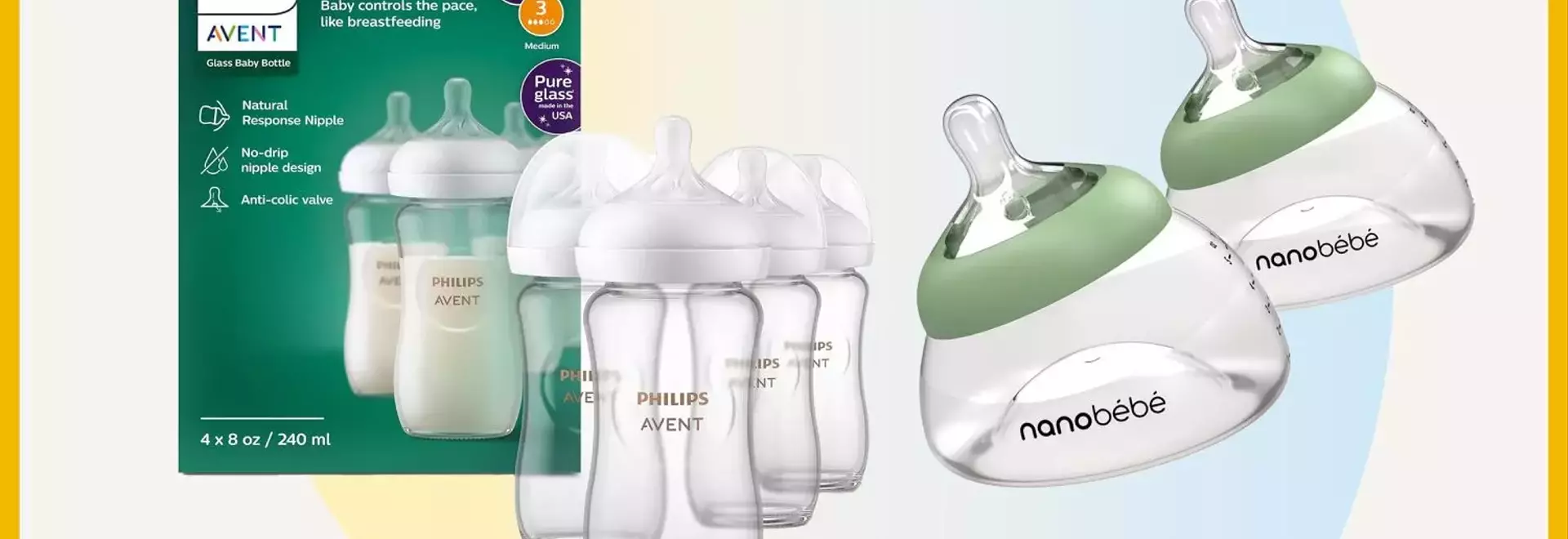
The Philips Avent Glass Natural Baby Bottle stands out as an exemplary choice, earning high praise for its natural-response nipple that grants babies control over milk flow, mirroring the breastfeeding experience. Parents appreciate its user-friendly design, making it easy to hold, fill, transport, and clean, thanks to its wide mouth and minimal components. Its thermal shock-resistant glass and anti-colic valve further enhance its appeal, mitigating concerns about temperature changes and infant discomfort. Similarly, the Philips Avent PPSU Natural Baby Bottle, a Best for Baby Award winner, offers an easy flow control and pace for feeding, stopping milk flow when the baby pauses to swallow, and features a no-drip, anti-colic design. Lansinoh Baby Bottles are lauded for their NaturalWave nipples, clinically shown to minimize nipple confusion, making them a favorite among parents of picky eaters. Dr. Brown’s Natural Flow Anti-Colic Options+ Wide Neck bottle is celebrated for its internal vent system, clinically proven to reduce colic, spit-up, and gas, while promoting a breast-like latch. For ease of cleaning, Comotomo Baby Bottles receive glowing reviews for their simple design with few parts and wide opening, which simplifies washing and sanitizing. The Boon Nursh Reusable Silicone Baby Bottles are versatile, adapting from newborn to toddlerhood with various nipples and lid options, featuring a collapsing pouch for air-free feeding. Lastly, the MAM Easy Start Anti-Colic Baby Bottle offers convenience with its self-sterilizing capability in a microwave and a patented vented base for even flow, with clinical evidence supporting its effectiveness in reducing colic.
Safe Bottle Feeding Practices and Introduction Timing
Beyond selecting the appropriate bottle, understanding safe bottle feeding practices and optimal timing for introduction is vital for breastfed babies. Correct feeding posture, milk temperature regulation, and monitoring the baby's cues during feeding are all essential components of safe bottle feeding. Introducing a bottle too early can lead to 'nipple confusion,' where the baby struggles to differentiate between the breast and bottle, potentially impacting their latch. Conversely, waiting too long might make it challenging for the baby to accept a bottle. Striking the right balance, typically around three to four weeks of age, allows the baby to establish solid breastfeeding skills before encountering a bottle.
For safe bottle feeding, it's crucial to inspect bottles and parts for damage before each use. Warming milk should never involve a microwave; instead, use a bottle warmer or a bowl of warm water, always testing the milk's temperature before offering it to the baby. When feeding, angle the bottle slightly to ensure the nipple is full of milk, preventing the ingestion of air which can cause discomfort. Observe your baby's cues: gagging or gulping may indicate a nipple flow that is too fast, while hard suckling or frustration could mean it's too slow. It is important to never prop a bottle, as this presents a choking hazard and can contribute to ear infections. Additionally, babies should not be put to bed with a bottle; a pacifier is a safer alternative. If a baby consistently refuses a bottle, it could stem from various factors such as needing a different bottle type, adjusting milk temperature, or even a different feeding position. In such cases, consulting a lactation consultant is highly recommended. These specialists can help identify the underlying reasons for refusal and develop tailored strategies to ensure the baby learns to feed comfortably from a bottle, maintaining the health and well-being of the infant.