China's Ambition: Reshaping Global Cinema Technology with LED Screens
China is actively pursuing a significant role in shaping the future of global cinematic projection through the widespread adoption of High Dynamic Range (HDR) LED screens. This strategic initiative is driven by a dual objective: to revitalize the domestic film market, which has seen a slowdown in box office performance, and to establish China's own technological standards as a viable alternative to the long-standing Western-dominated frameworks. This ambition is particularly fueled by major technology players, who are championing their proprietary HDR Vivid standard to supplant the prevalent Digital Cinema Initiatives (DCI) certification, signaling a broader push for technological independence and influence within the international film industry.
This transformative effort isn't solely focused on technical advancement; it also encompasses educational reforms aimed at integrating cutting-edge technologies like artificial intelligence into filmmaking. Academic institutions are introducing new curricula to train the next generation of filmmakers in intelligent imagery, reflecting a comprehensive strategy to foster innovation and self-sufficiency across all facets of the cinema ecosystem. Despite the technological advantages and strategic imperatives, the path to widespread adoption faces hurdles, including the considerable capital investment required and the current low penetration of LED screens in the vast Chinese market, underscoring the challenges of shifting an entrenched industry paradigm.
The Ascent of China's LED Cinema Technology and Standard Ambitions
Chinese technology companies, with Huawei at the forefront, are vigorously promoting High Dynamic Range (HDR) LED screens as a strategic solution to invigorate the domestic box office and assert China's influence over global cinema technological standards. This initiative is seen as a direct challenge to the long-established Digital Cinema Initiatives (DCI) framework, which has historically governed cinema projection worldwide. Huawei's Ultra HD Video Alliance is actively championing its HDR Vivid standard, positioning it as an open, cost-free alternative to DCI, thereby aiming to reduce the financial burden on Chinese exhibitors and content producers who currently pay substantial fees to Western certification bodies.
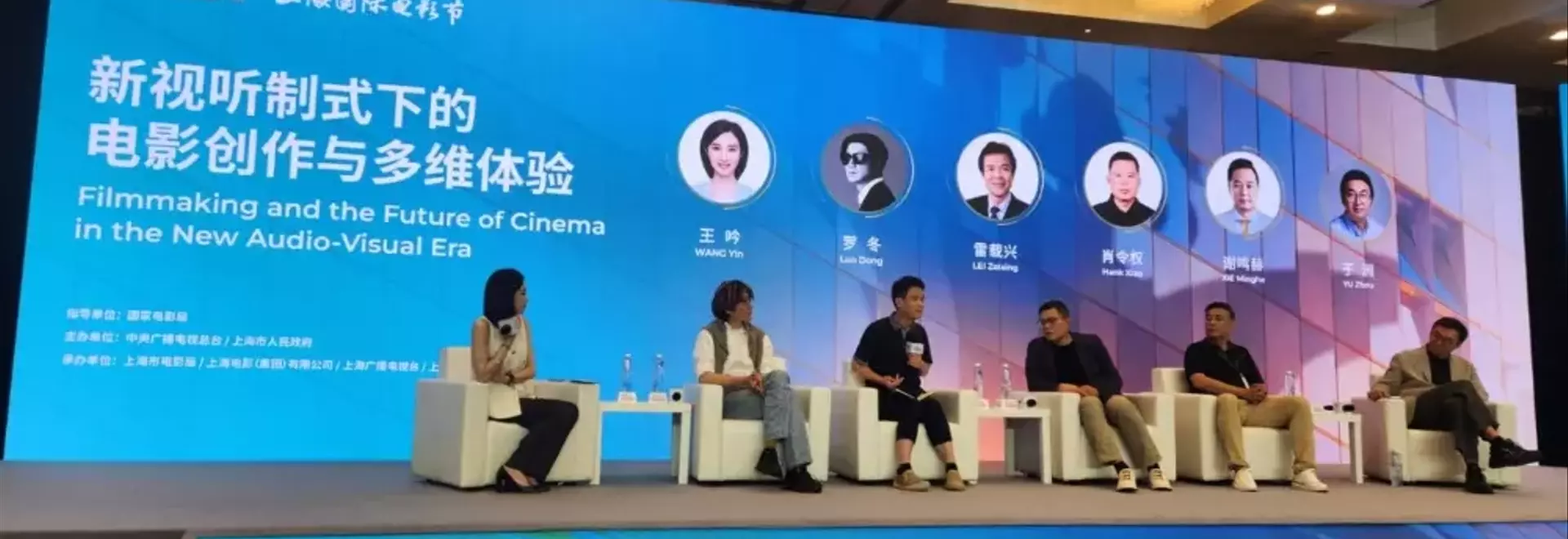
The push for this alternative standard is rooted in a broader geopolitical context, particularly lessons learned from past trade disputes that underscored the need for technological self-reliance. As Hank Xiao of Huawei emphasized, the dependence on foreign software and technology, particularly after sanctions in 2019, highlighted vulnerabilities. Therefore, promoting a homegrown standard like HDR Vivid, which requires no licensing fees from cinemas or distributors, is a critical step towards ensuring China's long-term independence and competitiveness in the global entertainment technology landscape. This move not only seeks to improve the visual quality of cinematic experiences but also to strategically position China as a leader in innovative display technologies.
Innovations in Display Technology and Educational Integration
Advocates for the HDR Vivid standard assert its technical superiority over DCI, citing key enhancements such as higher frame rates, increased brightness, deeper black levels, and improved contrast ratios. These advancements offer a significantly more immersive and visually striking cinematic experience, as demonstrated by the premiere of James Cameron's "Avatar: Fire and Ash" on an LED screen at the Hainan Island International Film Festival. The fact that the majority of global LED screen manufacturing originates in China further strengthens the nation's position to drive this technological shift, leveraging its manufacturing prowess to establish new benchmarks for visual fidelity in cinema.
Beyond hardware, the transformation extends to the educational sector, with Chinese institutions like the Beijing Film Academy integrating artificial intelligence into filmmaking curricula. The introduction of an "Intelligent Imagery" major, which blends traditional cinematography with AI-generated visuals, signifies a forward-thinking approach to talent development. This new program, notably relaxing traditional art entrance examination requirements, aims to cultivate a workforce equipped for the evolving demands of a technology-driven film industry. While the adoption rate of LED screens remains relatively low in China, with only a fraction of cinemas currently equipped, the strategic integration of advanced display technologies and AI education reflects a holistic commitment to innovating and leading the global cinema landscape.