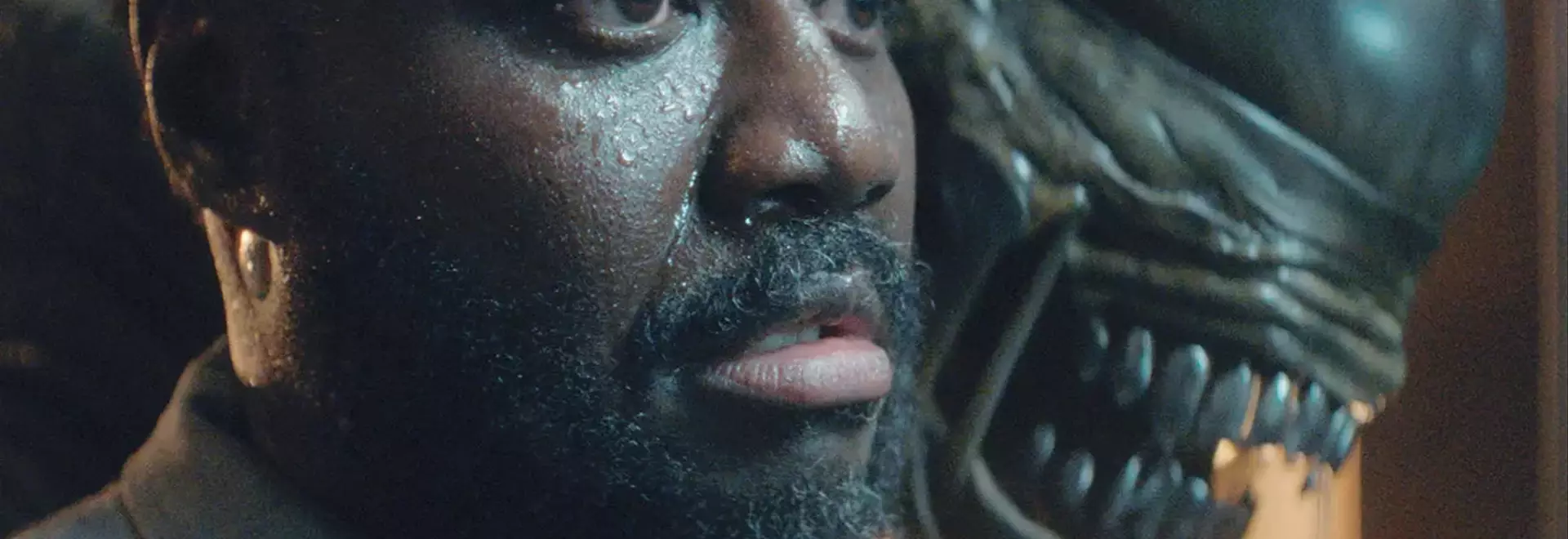
The Art of Restrained Filmmaking in 'Alien: Earth'
Editor Regis Kimble recently delved into the distinctive filmmaking philosophy he shares with writer-director Noah Hawley, honed over 16 years across their collaborative projects like Fargo, Legion, and the latest installment, Alien: Earth. Their approach emphasizes a minimalist cutting style and the strategic use of wide-angle shots, aiming to immerse the audience and allow them to interpret scenes organically, rather than spoon-feeding them information. This method, reminiscent of Stanley Kubrick and the Coen brothers, proves particularly effective in a horror context, where lingering wide shots can heighten suspense by hinting at hidden dangers.
Unveiling the Cinematic Vision of 'Alien: Earth'
In a recent interview, Regis Kimble shed light on the unique cinematic style he and Noah Hawley have cultivated. Their collaborative journey has seen them prioritize a reduced number of cuts in their productions, allowing narratives to unfold with a deliberate pace. This technique, a cornerstone of their shared vision, seeks to empower viewers, enabling them to engage more deeply with the unfolding story. Instead of relying on rapid-fire edits, they prefer to hold shots, inviting the audience to observe and absorb the scene's nuances. This is especially true for wide shots, which are often maintained for extended durations, a characteristic that Kimble notes is sparingly interrupted by close-ups, which are reserved for moments of profound impact. This meticulous approach creates an atmosphere of quiet tension, particularly suited for a horror series like Alien: Earth, where the expansive framing allows for the unsettling possibility of the unknown lurking just out of immediate focus.
Interestingly, despite the franchise's historical tendency to obscure its iconic creature, the H.R. Giger-designed Xenomorph is not intentionally concealed in Alien: Earth. Kimble explains that given the creature's long-standing presence in popular culture since the original 1979 film, there's no need to shy away from its depiction. However, he did recall one instance during the production of the second episode where a particularly graphic attack scene involving the Xenomorph was toned down. The intensity of the sequence, initially too extreme even for FX, led to a decision to shorten shots and darken certain elements to mitigate its visceral impact. Kimble humbly attributes the success of their work to compelling storytelling, stating that with well-crafted characters that resonate with audiences, the editing process becomes an enjoyable and seamless endeavor.
The deliberate and thoughtful approach to filmmaking employed by Noah Hawley and Regis Kimble offers a refreshing perspective in an industry often driven by quick cuts and visual bombardment. Their commitment to allowing scenes to breathe and characters to develop within a broader visual context demonstrates that sometimes, less is indeed more. This stylistic choice not only enhances the suspense and emotional depth of their projects, particularly in the horror genre, but also encourages a more engaged and contemplative viewing experience. It's a reminder that true storytelling artistry lies not just in what is shown, but in how it is revealed.