Africa's Path to Food Security: Embracing Agroecology Amidst Fertilizer Crisis
The world is on the brink of another significant food crisis, exacerbated by geopolitical conflicts that have escalated the prices of essential commodities such as fuel and fertilizers. This inflationary pressure is impacting food costs globally, from Asian metropolises to South American cities. Furthermore, disruptions in critical shipping lanes, like the Strait of Hormuz, are impeding the movement of a substantial portion of global fertilizer exports, along with vital raw materials like natural gas and sulfur, which are crucial for fertilizer production elsewhere. This situation threatens food production worldwide and disproportionately affects regions like Africa, where many nations depend heavily on imported food and where food insecurity is already prevalent.
Historically, during past food crises, similar approaches involving large-scale agribusiness and subsidized chemical fertilizers for African farmers often led to undesirable outcomes. Many of these initiatives, despite significant investment, failed to substantially boost fertilizer usage or alleviate hunger, often leaving governments burdened with debt. For instance, Malawi's extensive fertilizer subsidy program strained its national budget, diverting funds from crucial public services. The recurring issue lies in the exorbitant cost of fertilizers in Africa, where profit margins for suppliers are considerably higher than in other regions. This price disparity, combined with global supply shocks and Africa's reliance on imports, depletes foreign currency reserves and leaves countries vulnerable to market volatility. Even local production efforts, such as the continent's largest urea factory in Nigeria, contribute to these challenges by prioritizing international markets and adjusting prices based on global rates, demonstrating that increased local production alone may not resolve the underlying issues. Moreover, the environmental impact of chemical fertilizer production, including toxic pollution and contributions to greenhouse gas emissions, presents a compelling argument for alternative solutions.
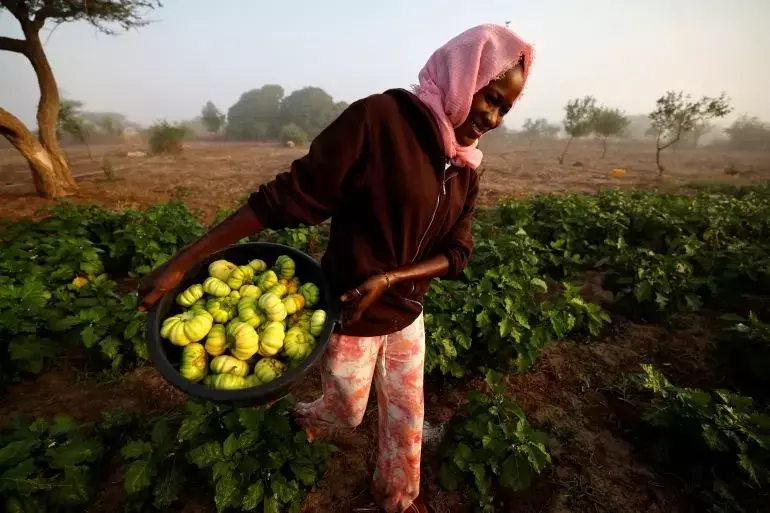
Instead of continuing to pursue fertilizer-dependent agricultural models, African nations have a unique opportunity to champion agroecology. This sustainable farming practice, which minimizes reliance on chemical inputs, is already prevalent in the cultivation of many traditional African crops and is being actively promoted by farmer organizations across the continent. Studies have consistently shown that agroecological methods can significantly increase crop yields and farmer incomes, while also providing substantial environmental benefits. By reallocating subsidies and policy support towards agroecology, African governments can foster resilient local food systems, empower farmers, and align with global efforts to combat climate change, moving away from fossil fuel-based agriculture towards a more sustainable and equitable future.
Adopting agroecology represents a proactive step towards building a resilient and sustainable food system in Africa. It not only addresses the immediate challenges of food insecurity and rising costs but also champions environmental stewardship and local empowerment. By prioritizing practices that work in harmony with nature and support local communities, Africa can lead the way in demonstrating how food production can thrive without reliance on environmentally damaging and economically volatile external inputs.