3D Scans Unveil Sonoran Desert's Hidden Life, Informing Conservation Efforts
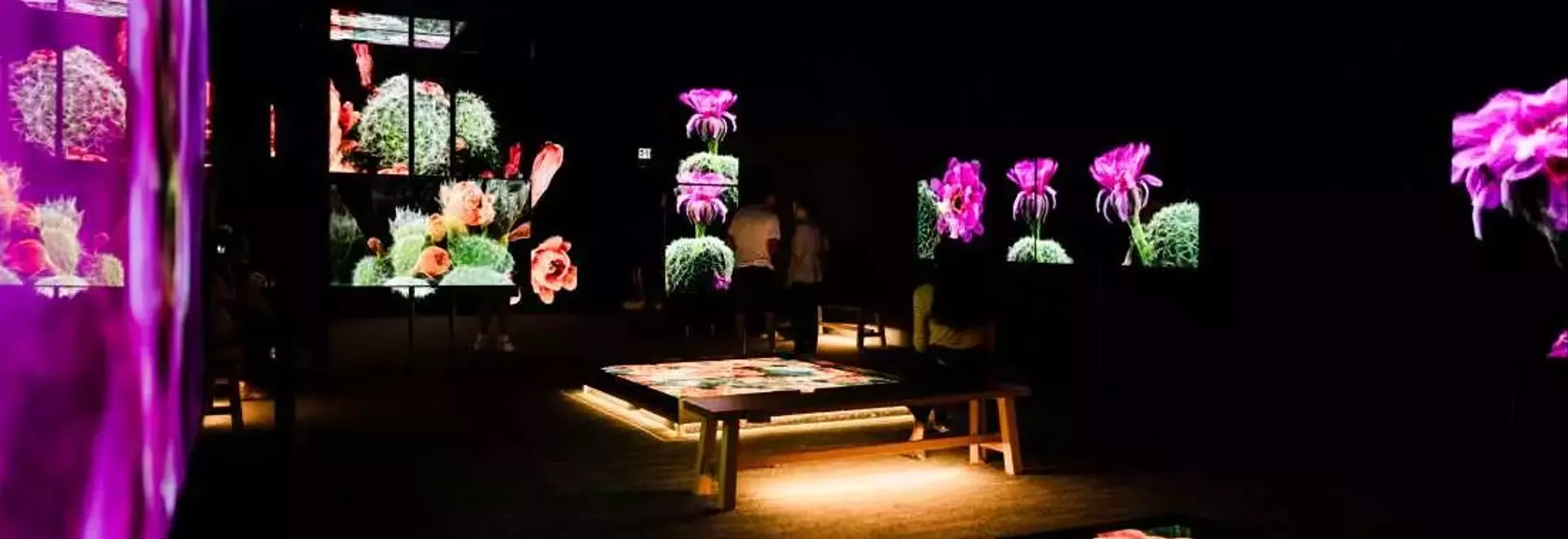
The Sonoran Desert, a vibrant ecosystem teeming with life, is now the subject of an innovative art and science initiative. Through "Framerate: Desert Pulse," an exhibition at the Desert Botanical Garden in Phoenix, researchers and artists are using cutting-edge 3D scanning technology to capture the desert's intricate dynamics. This ambitious project, a collaboration with London-based ScanLAB Projects, provides an unprecedented view into the lives of iconic cacti like the saguaro and other desert flora, revealing the subtle yet continuous transformations occurring within this unique landscape. Beyond its artistic appeal, the exhibition serves as a powerful reminder of humanity's footprint on natural environments, fostering a deeper understanding and appreciation for ecological preservation.
Revealing the Desert's Intricate Movements Through Lidar Technology
For an entire year, sophisticated lidar scanners continuously monitored the Sonoran Desert, capturing billions of data points that reveal the subtle yet profound changes within its ecosystem. This technology, akin to that used in autonomous vehicles for environmental mapping, meticulously recorded the daily life of desert plants. Researchers observed phenomena such as cacti expanding as they absorbed water and the gradual shifting of desert sands due to both natural forces and human activity. The data highlighted movements that were previously imperceptible, showcasing the constant state of flux within the seemingly static desert landscape. This unprecedented level of detail is now being translated into an immersive art experience, allowing visitors to witness the desert's hidden pulse and its ongoing interactions with its environment.
The "Framerate: Desert Pulse" exhibition immerses visitors in the Sonoran Desert's subtle yet continuous transformations through an extraordinary year-long 3D scanning project. Using lidar technology, which emits millions of laser pulses, the project generated an immense dataset of the desert's surfaces, creating highly detailed 3D models of its plants and terrain. This data captured minute movements, like the expansion of cacti after rainfall and the shifting patterns of desert sands. The exhibition transforms this scientific data into an evocative art display, projected onto large screens both outdoors within the garden and in a dedicated immersive room with wall-to-wall displays. Accompanied by a unique soundtrack crafted from desert-sourced materials, the exhibit celebrates the vitality of the Sonoran Desert while also serving as a stark commentary on environmental impact. This blend of art and science provides a compelling visual and auditory narrative of the desert's living rhythms and the delicate balance it maintains.
The Dual Impact of Art and Science on Desert Conservation
The convergence of art and science in the "Framerate: Desert Pulse" project offers dual benefits: an engaging artistic experience and a rich repository of scientific data crucial for conservation. The poignant event of a saguaro cactus collapsing, captured in meticulous detail by the lidar scanners, profoundly affected the project's team, revealing both the fragility and resilience of desert life. This incident underscored how even in deterioration, a fallen saguaro continues to contribute to the ecosystem. The comprehensive data collected, referred to as "digital dust," provides an invaluable, long-term record of plant growth and environmental changes, offering insights that traditional observational methods could never achieve. Scientists can now analyze this data to better understand the adaptive behaviors of desert plants, such as the surprising folding and unfolding of agave leaves, which may offer clues to their survival mechanisms in extreme heat.
The extensive "digital dust" generated by the lidar scans is poised to revolutionize conservation efforts for the Sonoran Desert. This massive dataset provides a forensic level of detail on plant growth and environmental shifts over an entire year, offering scientists unprecedented insights into the desert's ecological processes. For instance, the scans revealed the previously unknown behavior of agave plants, which fold and unfold their leaves, prompting new research questions about adaptive strategies against heat and water loss. Such discoveries, derived from the project's detailed observations, can inform more effective conservation practices and provide crucial information for protecting vulnerable species like the saguaro. The project highlights how artistic endeavors can yield tangible scientific benefits, laying the groundwork for future research into desert resilience and human impact, ensuring that the beauty and biological richness of the Sonoran Desert can be preserved for generations to come.